



Introduction: Flavors of Corfu — diving into the island’s culinary soul
Corfu (Kerkyra in Greek) is an island where Venetian, French, British and Ottoman influences have shaped not only the architecture and language, but also a rich, varied local cuisine. Getting lost in Corfu’s markets is more than shopping: it’s a sensory encounter with producers, fishermen and artisans who keep time-honored traditions alive. The scents of fresh olive oil, candied kumquats, spicy kopanisti cheese and grilled fish guide you through shady lanes and town squares. This guide gives you a detailed map of the local markets you shouldn’t miss, with exact addresses, practical opening hours, price ranges in euros, immersive descriptions and on-the-ground tips to bring home authentic Corfu flavors.
Whether you’re a food-loving traveler hunting for unique cooking ingredients or a curious visitor wanting to sample specialties on the go, Corfu’s markets serve up a wide range of experiences. Municipal markets and farmers’ stalls spotlight the island’s signature products: extra-virgin cold-pressed olive oil, Sinarades capers, thyme honey, local cheeses (mantinades, Corfiot feta), and of course kumquats — the small tangy-sweet fruit turned symbol of the island and made into liqueurs, jams and chocolates. Fish stalls often display catch that was swimming just hours earlier in the Gulf of Corfu, a testament to the close link between producers and consumers.
This guide does more than list places: it pinpoints each market’s exact location, gives reliable opening times (seasonal), suggests realistic price ranges and offers practical advice — how to bargain, which packaging to favor for transport, and what specialties to choose depending on the season. You’ll also find tasty stop recommendations around each market and tips for eating on the spot, like trying Corfiot sofrito, pastitsada or grilled fish fillets with a glass of local ouzo.
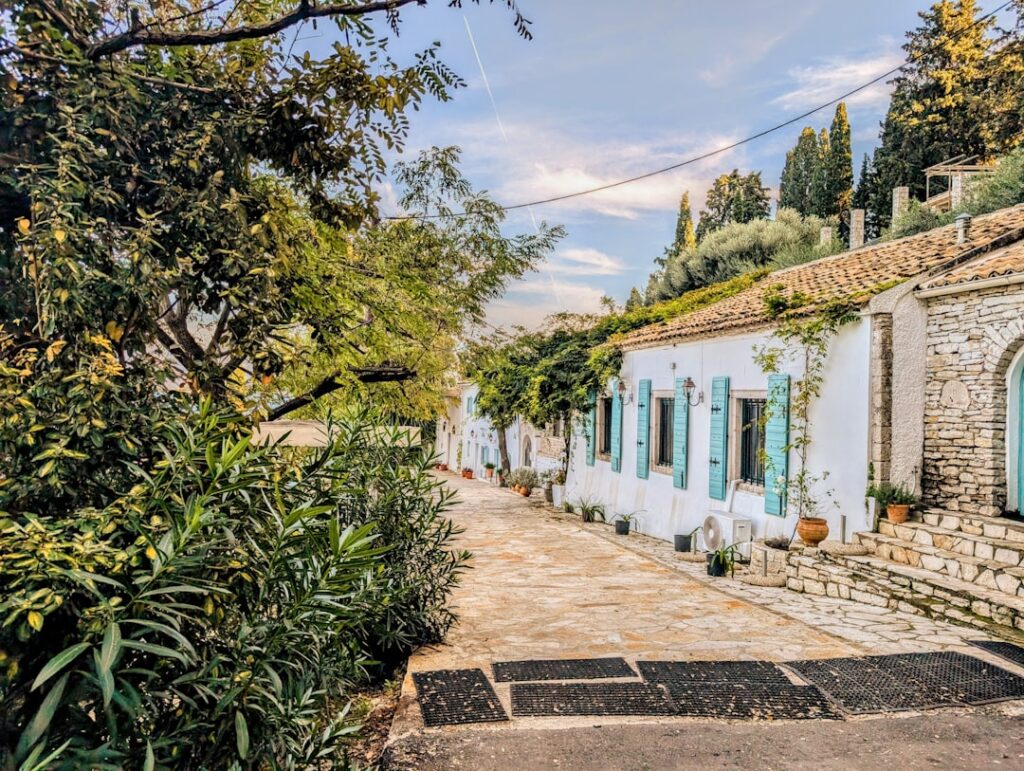
Get your taste buds and address book ready: from shaded lanes in Kerkyra’s old town to farmers’ markets on the east coast, this guide leads you to the must-visit spots for tasting, buying and taking home a piece of Corfu. Whether you’re staying a few days or several weeks, these markets are bound to become repeated destinations during your trip — the sellers’ warm welcomes and the high-quality products will draw you back. Follow the practical tips, note the early-morning windows for the best arrivals and let the island’s flavors be your guide.
The Corfu Municipal Market (Dimotiki Agora) — the historic heart of trade
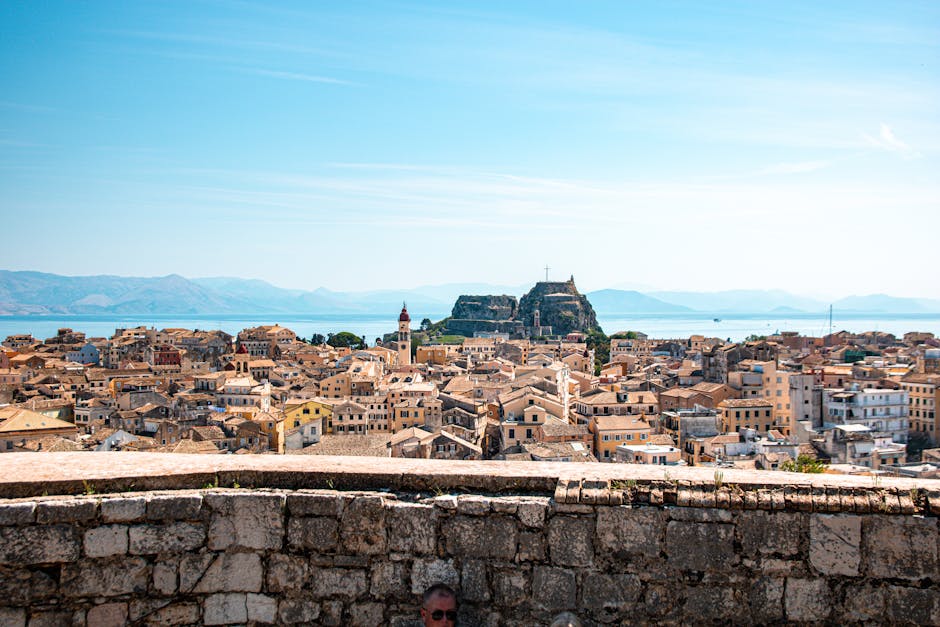
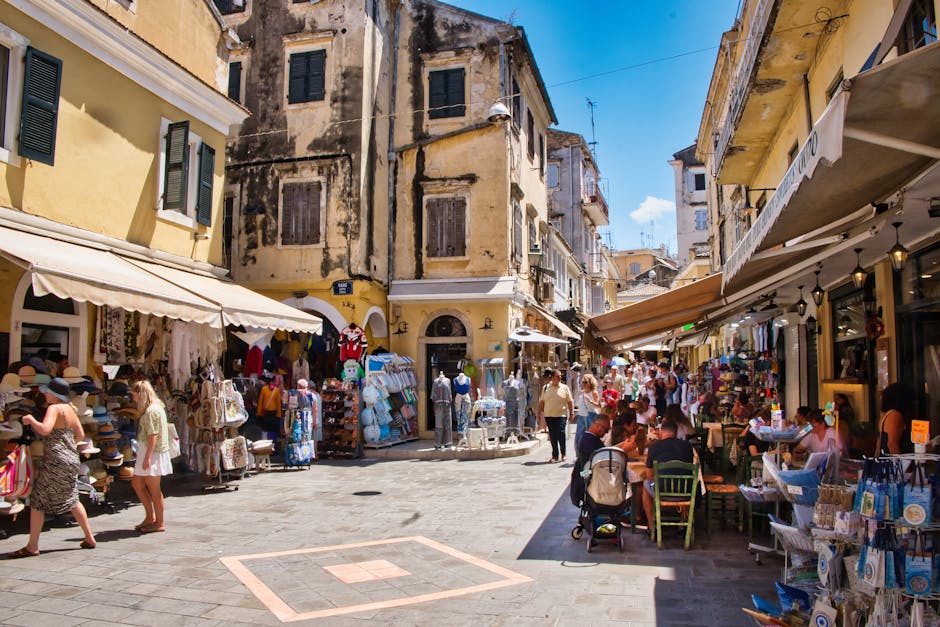
The Corfu Municipal Market, known in Greek as Dimotiki Agora (Δημοτική Αγορά Κέρκυρας), is a must-see for anyone wanting to capture the city’s gastronomic buzz. Address: Kapodistriou 1, Corfu Town (Kerkyra) 491 00. Just a few hundred meters from Spianada Square and the Liston, it occupies a covered building where fruit and vegetable stalls, butchers, fishmongers, cheesemongers and small delis mix together. The atmosphere is particularly lively in the morning, between 07:00 and 14:00: that’s when deliveries arrive and locals come to do their daily shopping.
Opening hours (indicative): Monday to Saturday, 07:00–14:00; some stalls stay open until 17:00 during the high tourist season. Price indications: local tomatoes €1.50–3.00/kg; extra-virgin olive oil (500 ml bottle) €6.00–12.00 depending on quality; olives sold loose €6.00–12.00/kg; local cheeses (kefalotyri, manouri) €10.00–18.00/kg. Expect to pay €5–12 for a box of traditional pastries (akiros, baklava) sold on site.
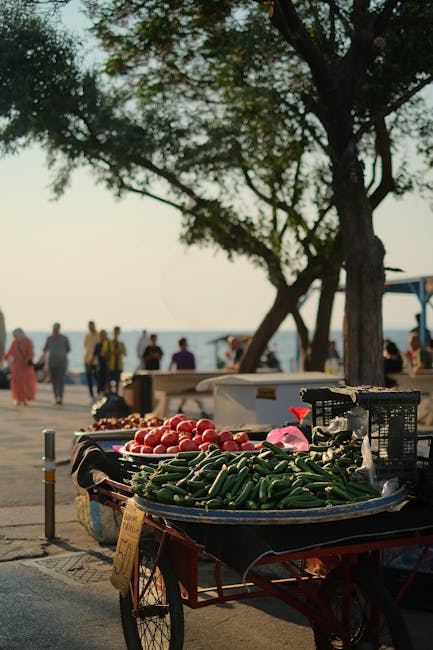
The layout encourages exploration: start at the vegetable and fresh herbs stalls (oregano, thyme, mint and highly aromatic basil), then head to the cheese corner where producers from inland towns offer samples. Fishmongers, often nearby, display sardines, squid and sea bass depending on the day’s catch. One vendor is sometimes easy to spot with a label reading “Sinarades capers” — home-made capers harvested in that village — a highly prized product you’ll likely be invited to taste.
Practical tips:
- Bring reusable bags: most merchants use kraft paper or plastic; an insulated bag is handy for keeping fish and cheese cool during your trip.
- Taste before you buy: cheesemongers and producers often offer small samples; it’s a great way to choose the flavor you prefer.
- Bargaining: modestly practiced — for bulk purchases (oil, olives) you can ask for a 5–10% discount if you buy several kilos.
The Garitsa Producers’ Market (Farmers’ Market) — farmed and organic finds
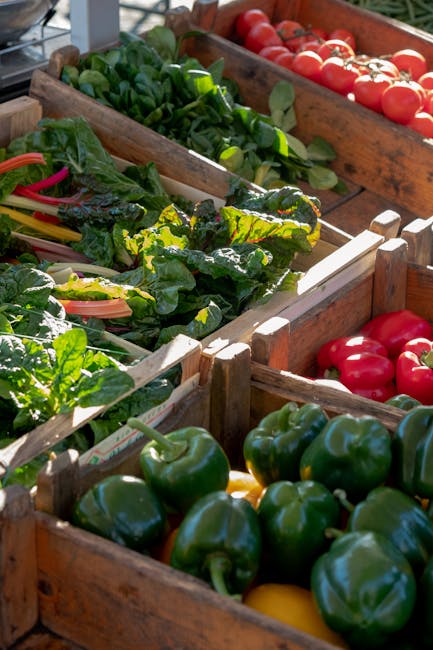
Every week the Garitsa waterfront hosts a producers’ market that attracts residents careful about their food’s origin. Usual location: Garitsa Promenade, near the municipal park (Garitsa Bay Promenade, Corfu Town 491 00). Hours: typically Sunday mornings, 08:00–13:00 in season (May–October); off-season events can happen occasionally depending on local demand. This market focuses on farm and organic products: seasonal vegetables, aromatic herbs, farm eggs, homemade jams, locally pressed olive oil and sourdough breads.
Price indications: farm eggs (10) €3.50–5.00; artisan bread (500 g) €3.00–5.50; artisan jams (250 g jar) €4.00–7.00; thyme honey (250 g jar) €5.00–12.00 depending on rarity. Producers are often happy to explain their methods (pesticide-free cultivation, cold-pressing) and to name their town of origin (Sinarades, Pelekas, Agios Matheos, etc.).
The vibe is more relaxed than at the municipal market: people come to chat with producers, taste olive oils on grilled bread, compare two honeys and pick the one that suits their palate. Local families appreciate the market’s educational side: children learn to recognize the shapes and colors of seasonal veggies, while visitors can join short demonstrations — olive pressing or making homemade taramas — sometimes organized by local cooperatives.
Practical tips:
- Arrive early to get the widest selection (08:00–09:30); after 11:00 goods can start to run low.
- Bring a lightweight cooler if you buy perishables (cheese, yogurt, smoked fish).
- Ask about origin: a trustworthy producer will tell you the town, production method and often the price per kilo.
- Prefer cash payments: some small stalls don’t accept cards, although portable card terminals are becoming more common.
The Liston and street markets — flea finds, kumquats and snacks
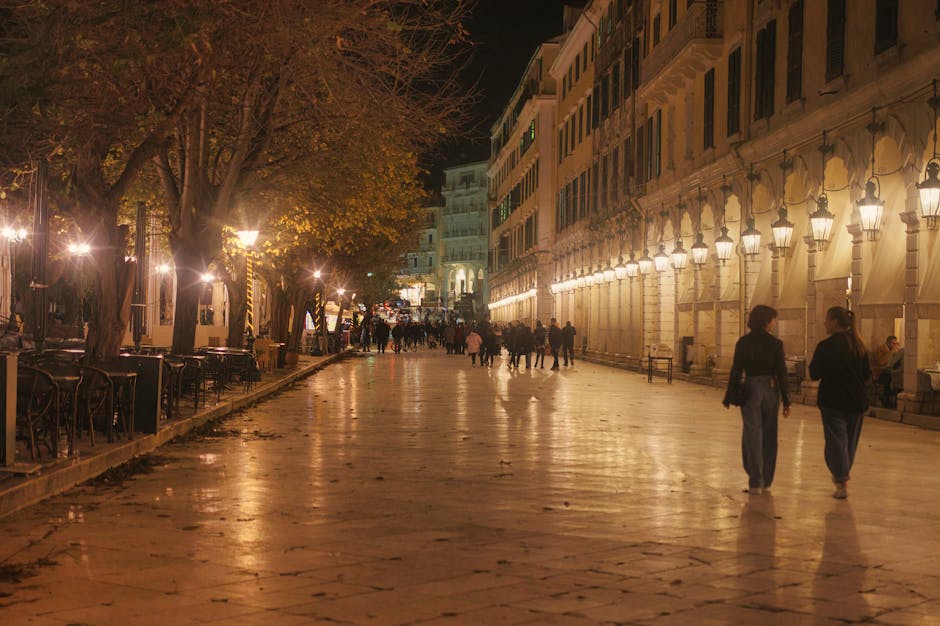
The Liston, that elegant arcade on Spianada Square (Spianada Square, Liston Arcade, Corfu Town 491 00), is as much a spot for a leisurely stroll as it is a starting point to find street markets popping up in the nearby alleys. The Liston itself houses cafés where you can sip Greek coffee with a pastry. Around it, street vendors sell Corfiot specialties in small portions: candied kumquats, loukoumades (honey doughnuts) and slices of pastitsada to take away.
Kumquat vendors are especially noticeable: a typical address for a specialty shop — “Kumquat House”, Odos Theotokopoulou 12, Corfu Town 491 00 — opening hours 09:00–20:00 in summer, 10:00–17:00 off-season. Prices: small boxes of candied kumquats €3.50–6.00; kumquat liqueur (200 ml) €6.00–14.00 depending on alcohol content and packaging. Kumquats are a local specialty turned into jams, liqueurs, chocolates and dressings — a highly appreciated aromatic souvenir.
Nearby, small flea markets and antique stalls set up some mornings (Campiello Square, Odos Panepistimiou and the lanes around Saint Spyridon Cathedral). You’ll find old kitchen tools, apothecary jars, and occasionally handwritten recipes sold by local families. Prices vary widely: a vintage metal cutlery piece could go for €8–25, a typical terracotta pot €12–40 depending on condition and rarity.
Practical tips:
- Taste before you buy: candied kumquats and sweet pastries are easy to sample; don’t miss a shot of kumquat liqueur to get a sense of it.
- Mind your packaging for liquids: choose well-sealed bottles and wrap them in clothing to prevent leaks in checked baggage.
- Bargain politely: haggling for souvenirs and antiques is common; start by asking for a 10–15% discount on the listed price.
The Old Port Fish Market — maritime freshness and local recipes
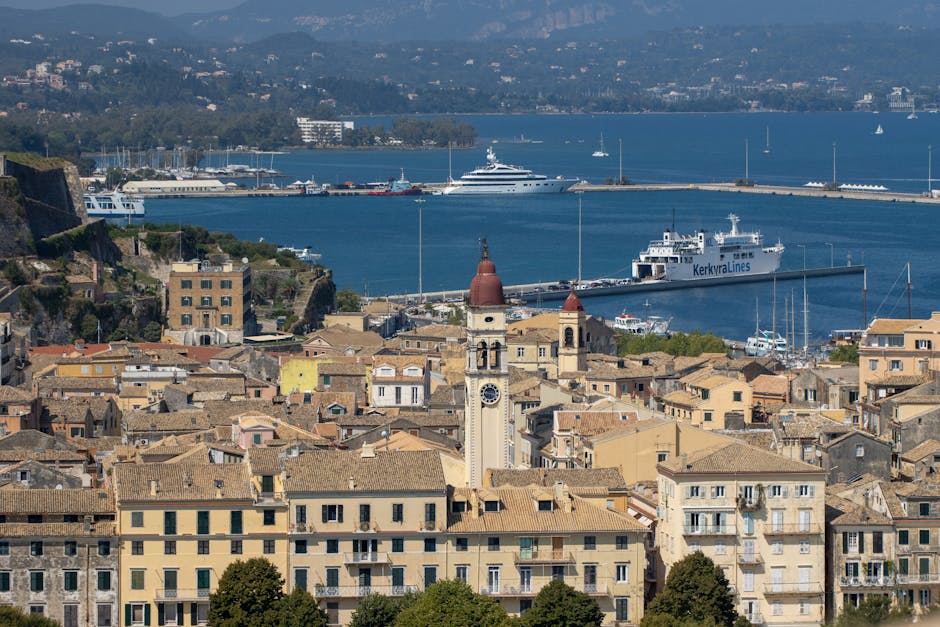
For seafood lovers, the fish market near the Old Port (Old Venetian Harbour Fish Market, Old Port, Corfu Town 491 00) is unmissable. Orientation address: promenade of the Old Port, at the eastern tip of the old town, near the lighthouse (Lighthouse area). Hours: often very early, 06:00–11:00; some fishmongers also sell in the evening from around 17:00 to supply local restaurants. Price indications: fresh sardines €3.00–6.00/kg; sea bass €12.00–24.00/kg; fresh squid €8.00–16.00/kg depending on size and season.
The morning scene is especially lively: boats arrive, fishermen unload traps and nets, and fishmongers call out to local chefs. You’ll often see fish cleaned on the spot; sometimes you’ll be shown how to prepare typical dishes like « psari plaki » (baked fish with tomatoes, onions and herbs) or stuffed squid. The smells of sea and lemon follow you, and the view of colorful boats adds a picture-postcard element to the experience.
Practical tips:
- Transport: If you plan to fly with seafood, check customs rules for transporting fresh products and keep them in a cooler with gel packs. Airports generally accept sealed, properly packaged items if you follow sanitary and customs regulations.
- Storage: plan purchases for the day before departure or book accommodation with a freezer to store fish and shellfish.
- Eat on the spot: many small waterfront restaurants will cook fish you buy for a modest fee: roughly €6–12 for cooking and service.
General practical tips for enjoying Corfu’s markets
Visiting Corfu’s markets takes a little planning to get the most out of your culinary discoveries. Here are concrete, action-oriented recommendations that apply year-round.
1) Timing and seasonality: most producers’ and municipal markets run in the morning; aim for the 07:00–10:30 window for the freshest arrivals. In summer (June–September), some markets open later and stay active into the late afternoon, while in winter activity concentrates in the morning and hours may be reduced.
2) Payment methods: bring cash for small purchases — many stalls only accept cash. For larger buys (bulk olive oil, several kilos of olives) bring a card, since some cooperatives and shops take card payments. Carry small denominations (€5–20) to make change easier.
3) Packaging and transport: for liquids (oils, liqueurs) ask for secure packaging or bring cloth and cling film. For perishables, pack an insulated bag or ask the seller if they can provide chilled packaging (cool pack). Cheeses and fish are better bought if you have access to a refrigerator or freezer. Check airline and customs rules if you’re traveling with animal-origin products.
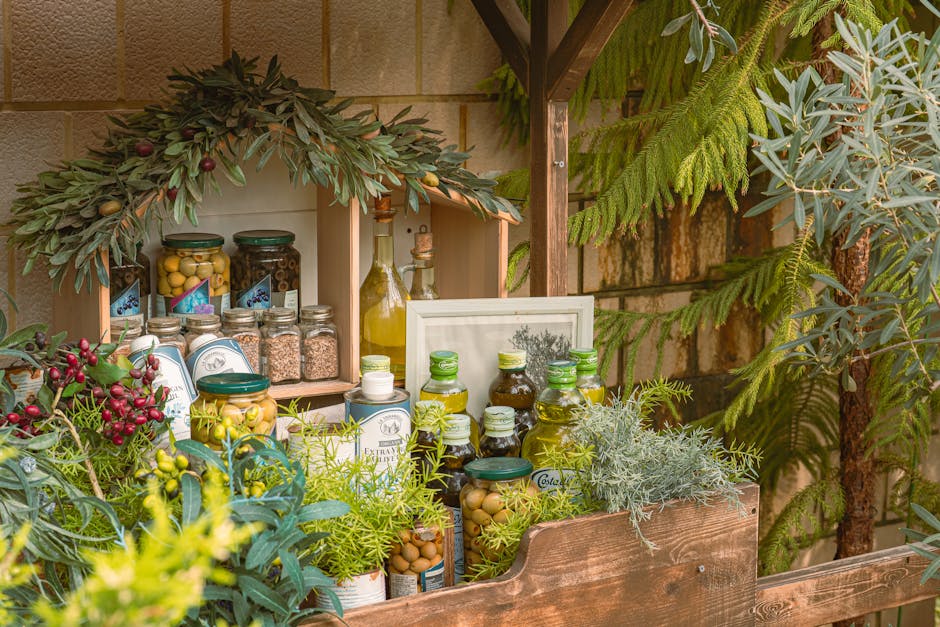
4) What to bring home: olive oil (500 ml bottle from about €6.00), kumquat liqueur (200 ml from about €6.00), Sinarades capers (200 g jar €4.00–10.00), thyme honey (250 g jar €5.00–12.00), local cheeses (€10.00–18.00/kg). Buy reasonable quantities based on your transport options to avoid waste.
5) Respect and cultural exchange: always greet sellers in Greek (hello: “Yia sou/Γεια σου”); vendors appreciate the effort. Ask about the product’s story — producers love talking about their methods — and show appreciation by buying a small item even if you hadn’t planned a larger purchase. Friendliness often opens the door to personalized tips and extra tastings.
6) Food safety: avoid raw, unprocessed items if you have a sensitive stomach. Prefer sealed preserves, pasteurized products, and ask for production dates on jams and artisanal preserves. If you buy fish, eat it the same day or freeze it quickly.
Checklist before you head to the market
- Reusable bag and soft cooler
- Small euro bills and a bank card
- Host contact numbers for cold storage options
- List of sought-after items (olive oil, kumquats, capers, honey, cheese)
- Camera/phone to capture stalls and record labels (origin, date)
Conclusion: bringing Corfu’s flavors home — souvenirs and commitments
Corfu’s markets are more than shopping venues: they’re an immersion into local culture, a meeting with producers who protect their terroir and a chance to learn ancestral practices. Roaming the Dimotiki Agora, Garitsa market, the Liston and the old port, you’ll discover unique products — cold-pressed olive oil, Sinarades capers, candied kumquats, thyme honey and freshly caught fish. These products tell a story: of an island oriented toward the sea and terraced lands, where the Mediterranean climate gives aromatic plants intensely fragrant notes.
Bringing these flavors home extends the trip — if you do it smartly. Respect storage rules, check customs restrictions and favor secure packaging. The real souvenir isn’t just the object, but the exchange: keep sellers’ cards, village names and the little recipes you pick up at the market to recreate the experience back home. For example, a bottle of olive oil and a jar of capers are enough to prepare a simple, memorable Corfiot dish — baked fish with capers, tomatoes and herbs — that will transport you back to the lapping of boats in the old port and the sun-drenched lanes of Kerkyra.
Finally, supporting local markets means supporting a resilient, sustainable economy. Buying directly from producers encourages environmentally friendly practices and helps preserve a living culinary heritage. Whether you’re an amateur cook or a traveling foodie, let Corfu’s markets enrich your stay and your table. Take with you not only products but also stories, addresses and flavors that will keep the memory of this welcoming Mediterranean island alive for a long time.