



Introduction: One Island, Two Flavors — Immersing Yourself in Corfu’s Cheeses and Honey
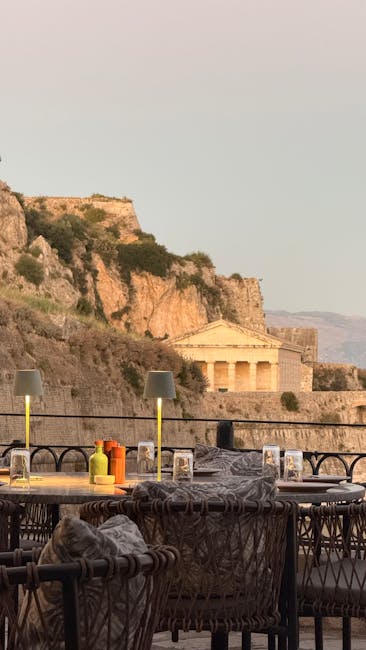
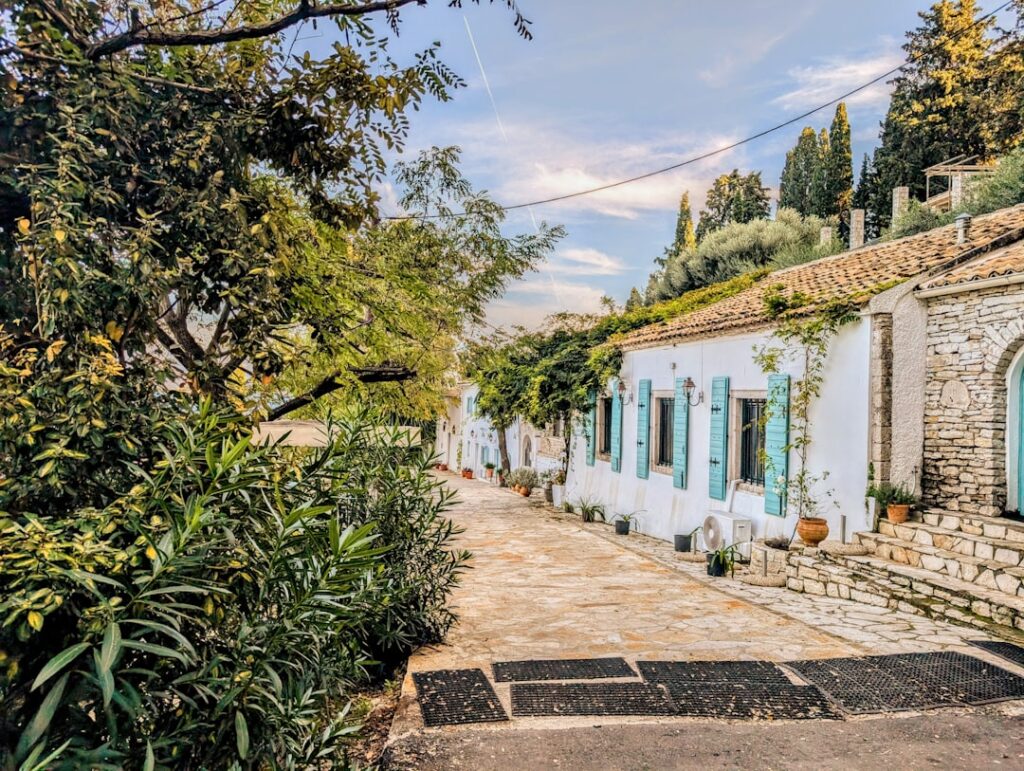
Corfu (Kerkyra in Greek) is an Ionian island famed for olive-studded landscapes, hilltop villages and a cuisine shaped by Greek, Venetian, French and British influences. At the heart of that culinary identity lie two rural staples closely tied to island life: artisanal cheeses and honey. Together they tell the island’s story — from goats and sheep grazing on limestone slopes to beehives tucked into fragrant maquis, and the family recipes handed down through generations.
Tasting Corfu’s cheeses and honey is more than sampling flavors; it’s a full sensory experience. The cheeses range from fresh, creamy and tangy to pressed, salty and aged wheels, often scented with local herbs like oregano, mint or dill. Corfu honey shifts with the blooms: dense, aromatic thyme honey; menthol-tinged eucalyptus honey; or maquis honey with pine and scrubby notes. Paired on a tasting board they reveal surprising harmonies — a thyme honey softening the salt of a graviera, or wildflower honey elevating the fresh curd of mizithra.
To truly understand and appreciate these products, you have to meet the people who make them. Family dairies and small cheesemakers on Corfu welcome visitors to see milking, milk handling, aging techniques and honey-harvesting methods. These often-improvised visits offer priceless anecdotes: the ideal milking hour at dawn, attention to herd diet based on local herbs, or the traditional way of drying cheese on wooden racks. Oral transmission, hands-on skills and the connection to the landscape make every cheese and jar of honey unique.
In this article you’ll find practical recommendations: full names of dairies and beekeepers, precise addresses, indicative prices in euros, opening hours and handy tips to plan your tastings — whether you’re staying in Corfu Town, Paleokastritsa or on the east coast in Kassiopi. I’ve mapped out a sensory route mixing must-visit spots and on-the-ground observations, so you bring home not just jars and rounds, but detailed, lasting memories of an exceptional island food culture.
Corfu’s Terroir and Cheesemaking Traditions
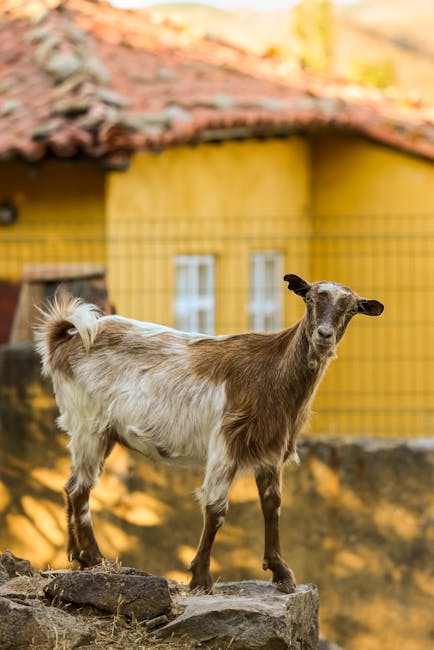
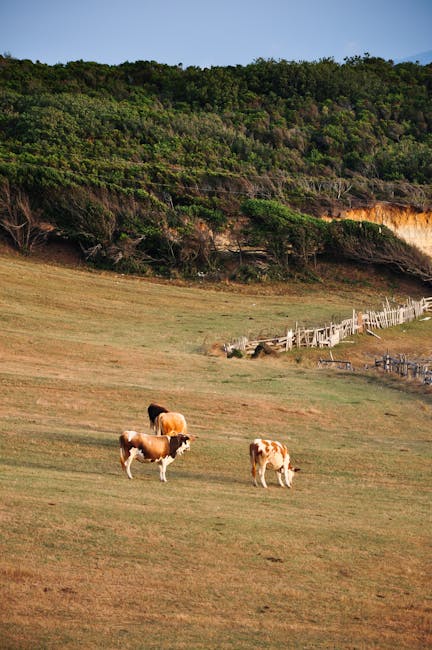
Corfu’s terroir is defined by limestone geology, poor soils and a Mediterranean climate softened by the Ionian Sea. These factors give the wild herbs and forage that feed the goats and sheep a distinctive aromatic profile — thyme, savory, oregano, wild fennel — which transfers into the milk and then into the cheeses. Local breeds are often mixed: kapotika goats or native sheep, raised in small family flocks grazing freely on the hills. This extensive system encourages flavor diversity and a low environmental footprint.
Among the emblematic cheeses you’ll find:
- Graviera: a cooked pressed cheese often aged for several months. It presents fruity aromas and a firm texture. On the island it is sometimes aged in barrels or on stone shelves, gaining complexity and caramel notes.
- Mizithra: traditionally fresh, ash-coated or dried. Fresh mizithra is creamy and tangy, perfect for mezzes or for gratinating pasta. The dried version (sometimes called xynomizithra) is grated like parmesan.
- Anthotiro: a fresh cheese made from whey or sheep’s curd, used in local pastries and savory pies.
- Manouri (found on some Corfiot tables): mild and milky, often used for desserts or salads.
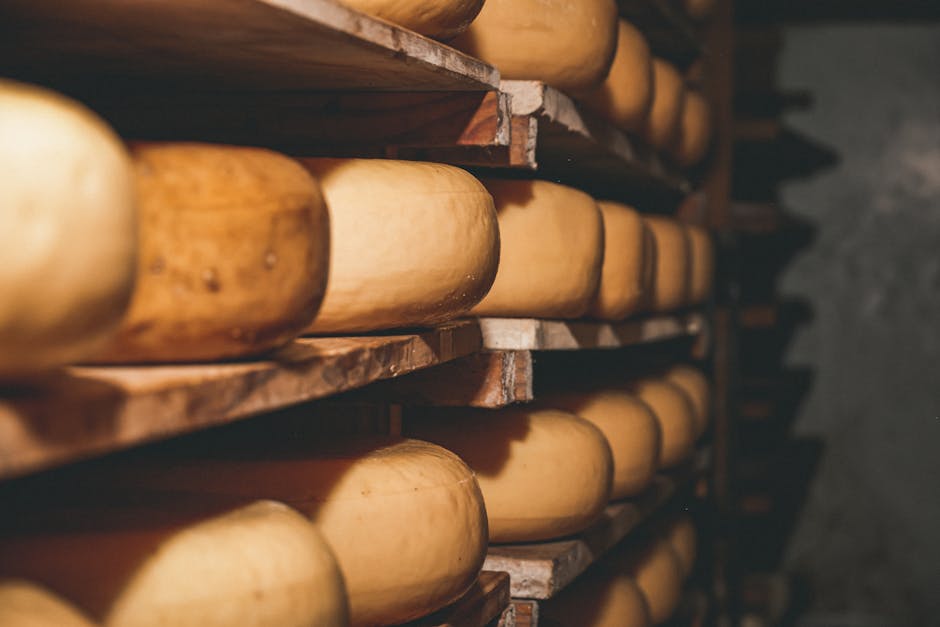
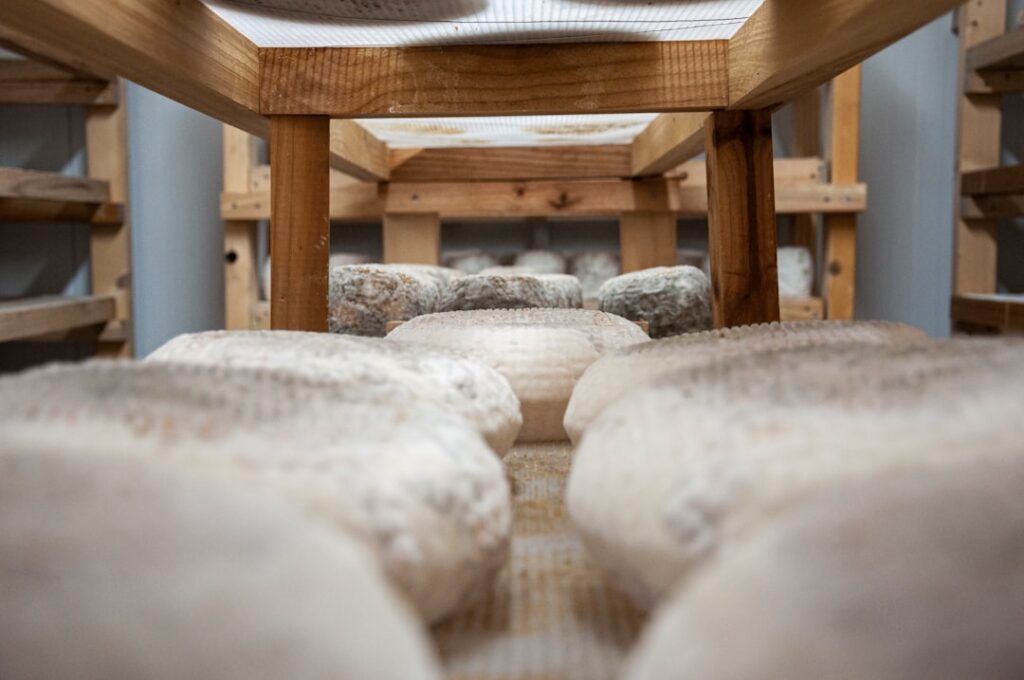
Techniques still rely heavily on manual know-how: controlled curdling, natural draining in cloths or wicker baskets, dry-salting or brining, and long aging sometimes in caves or cool cellars. Across the island, ancient practices coexist with a few modern initiatives: certified organic dairies, micro-dairies that pasteurize while honoring authenticity, and village cooperatives pooling equipment and expertise.
Local aging is often influenced by herbs: cheeses rolled in dried oregano, ash-smoked with olive wood, or wrapped in grape leaves. Getting out to meet producers lets you learn not only the taste but the story: why a particular tomme was born from a spring milk surplus, or how a dry summer concentrated flavors. Exploring Corfu’s terroir also means stepping into a social network of shepherds, beekeepers, bakers and restaurateurs.
Cheese Producers and Addresses to Visit in Corfu
Here’s a detailed selection of dairies and workshops to visit on the island, with addresses, opening hours, indicative prices and an immersive description of the experience. These spots were picked for the quality of their products, their welcome and the possibility of tours/tastings.
Fromagerie Nostos – Agrotiko Tyri
Adresse : Agios Ioannis, Agrotiko Tyri, 49100 Korfu (près de Sinarades)
Horaires : Visites sur rendez-vous du lundi au samedi, 09:00–17:00 (dégustations généralement entre 11:00 et 15:00).
Prix : Visite guidée + dégustation 15 € par personne (enfants 8 €), plateau de dégustation à l’achat 6–12 € selon sélection.
Description : A family-run dairy perched on a hillside, Nostos produces graviera, mizithra and small herb-flavored tommes. The welcome is warm; the visit begins with meeting the flock in the morning — goats and sheep grazing among olive trees — followed by milking and a demonstration of curd formation. The owner explains lactation seasons and how wild herbs influence flavor. The aging cave, cool and slightly humid, houses wheels with a fine golden patina. Tastings are paired with the estate’s olive oil, local olives and homemade bread.
Cooperative Tyriques de Lakones – Cooperativa Formaggi Lakones
Adresse : Plateia Lakones, 49083 Lakones, Paleokastritsa
Horaires : Boutique ouverte tous les jours 09:00–20:00 (atelier de production visible sur rendez-vous, 10:00–13:00).
Prix : Fromages vendus à la tranche : 12–18 €/kg pour graviera, 20–30 €/kg pour fromages affinés spéciaux ; dégustation sur place gratuite pour petits échantillons.
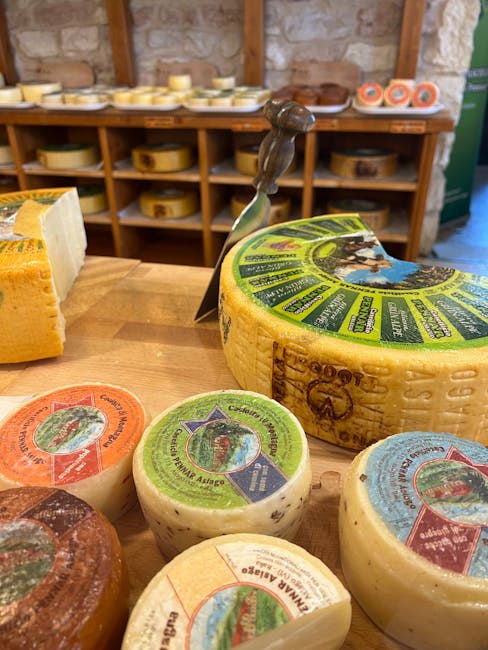
Description : Located on the road down to Paleokastritsa, this village cooperative brings together several small producers. The vibe is a communal shop offering fresh cheeses, homemade preserves and local specialties. Staff explain cooperative practices: shared equipment, rotated aging batches and stronger short supply chains. The view from Lakones square nearby adds charm: enjoying a slice of graviera while overlooking the gulf is a memory you won’t forget.
Fromagerie Eleftheria – Artisanal Dairy of Moraitika
Adresse : Moraitika Road 12, Moraitika, 49083 Corfou
Horaires : Lundi fermé, mardi–dimanche 09:00–16:00. Visite guidée sur réservation le matin.
Prix : Atelier + déjeuner champêtre 25 € par personne ; vente directe : fromages frais 10 €/kg, fromages affinés 18–25 €/kg.
Description : This small modern dairy run by a young family blends traditional methods with contemporary hygiene. The facilities are visible through a picture window: stainless steel vats, draining basins and aging shelves. The highlight is the farmhouse meal that follows the tour: Greek salad, warm slices of graviera, local honey and a glass of wine or tsipouro. Foodies can learn to make mizithra during the workshop. The village of Moraitika on the southwest coast is a perfect spot for a restorative swim after your tasting.
Must-Visit Honey Producers and Tastings
Corfu honey mirrors the island’s floral variety: maquis wildflowers, thyme, citrus blossoms, eucalyptus and sometimes heather. Local beekeepers often use diverse locations — moving hives to higher ground in spring, or keeping coastal hives for maritime blooms — which explains the wide aromatic range of Corfu honeys.
Apiary Melissa – Thyme & Wildflower Honey
Adresse : Ano Garouna, Apiary Melissa, 49084 Garouna, Corfou
Horaires : Visite & dégustation sur rendez-vous, du mardi au samedi 09:00–15:00 (prévenir 24h à l’avance).
Prix : Dégustation comparative (3 miels) 8 € par personne ; pots de miel : 250 g = 6 €, 500 g = 10 € ; coffrets découverte 18 €.
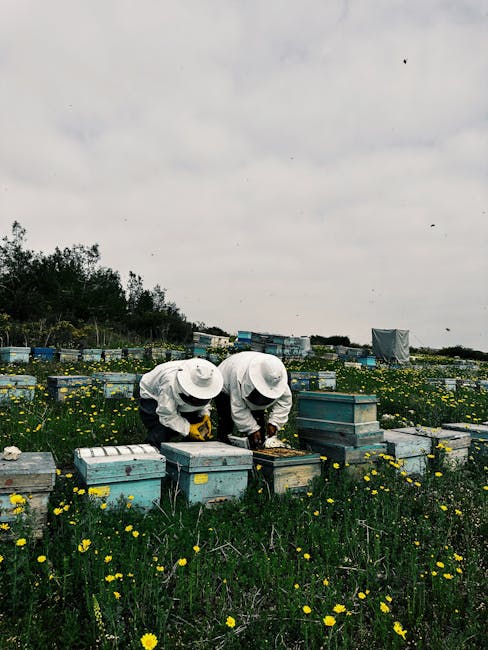
Description : Mélissa is a family operation specializing in thyme and wildflower honey. The visit starts with an outdoor tour to see the hive locations: fragrant maquis, eucalyptus groves and fruit trees. In the workshop the beekeeper demonstrates centrifugal extraction, gentle filtration and explains natural crystallization. The comparative tasting is instructive: dense thyme honey, clear fruity flower honey, and mentholated eucalyptus honey. Try the honey on a slice of fresh mizithra — a classic, heavenly match.
Ruches Kassiopi – Honey & Beekeeper Visit
Adresse : Kassiopi Road 7, Ruches Kassiopi, 49100 Kassiopi
Horaires : Samedi matin marché et visites libres 08:00–12:00 ; visites guidées sur rendez-vous 10:00–13:00.
Prix : Pot 500 g = 12 € ; visite guidée + petit-déjeuner local avec miel 18 €.
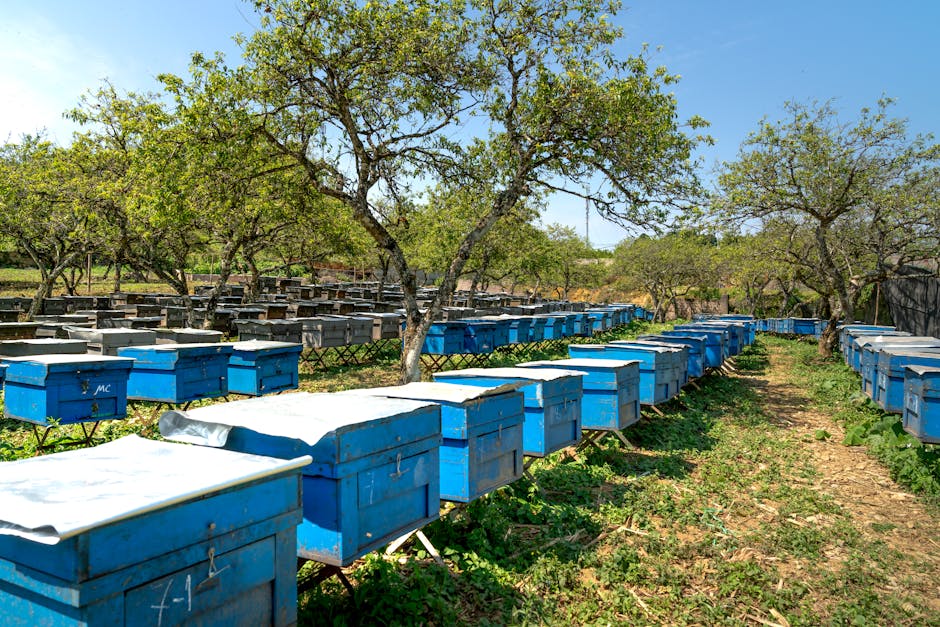
Description : Near the port village of Kassiopi, this small operation offers very visual encounters: hives lined up facing the sea, golden honey frames and a terrace with views all the way to the Albanian coast on clear days. The beekeeper explains the gear and talks about island-specific challenges — bee diseases, importing swarms and the importance of biodiversity. The post-tour breakfast includes fresh yogurt, walnuts, figs and several honeys to compare.
Local Markets and Self-Guided Tastings
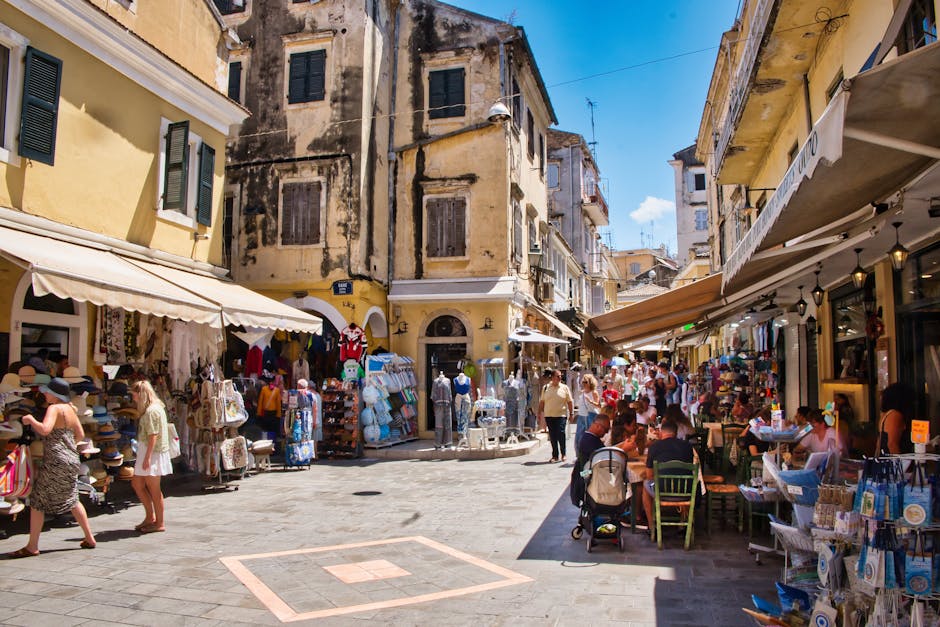
Village markets and fishermen’s stalls often sell locally produced jars of honey and cheeses, with the added benefit of direct contact. A few recommended markets:
- Central Municipal Market – Plateia Georgiou I, Corfu Town. Hours: daily 07:00–14:00. You’ll find cheeses, honeys and seafood. Free samples are common; honey jars range from €8–15 depending on origin.
- Lefkimmi Market – Agora Lefkimmi, Lefkimmi Town. Hours: Tuesday morning 08:00–13:00. A great selection of agricultural products from the island’s south.
Practical Tips for Tastings, Buying and Storing
To get the most from your visits and purchases, here are concrete, practical tips: timing, transport, bargaining and preservation.
- Plan morning visits: Milking, demos and honey harvesting happen early. To see goats and sheep, schedule a visit between 07:00 and 11:00; beekeepers usually work 09:00–14:00 when bees are active.
- Book ahead: Many small dairies and apiaries see visitors by appointment only. Call 24–48 hours in advance, especially in high season (June–August). Give the number of participants, note any dietary restrictions and say if you want a hands-on workshop to handle milk or open a hive under supervision.
- Transport & access: Renting a car is the easiest way to reach farms. Some spots sit on narrow mountain roads and require careful driving. GPS coordinates help: jot down the full address and a landmark (village church, main square). Local taxis sometimes do return trips to farms if not too remote; agree fare before you leave.
- Prices and bargaining: Producers usually list transparent prices but are open to negotiation for bulk buys (over 2–3 kg). Expect €10–25/kg depending on aging for cheeses, and €6–15 per jar (250–500 g) for honey depending on rarity and harvest. For gifts, ask about discovery boxes or custom labels — often available for €5–10 extra.
- Storage: Fresh cheeses (mizithra, anthotiro): consume within 5–7 days, keep chilled (0–4 °C) in airtight packaging. Aged cheeses: can last several weeks in the fridge if wrapped in a slightly damp cloth and then plastic. Honey: store at room temperature away from direct light; avoid inserting a wet knife to prevent fermentation. Check airline rules for transporting food items in checked baggage.
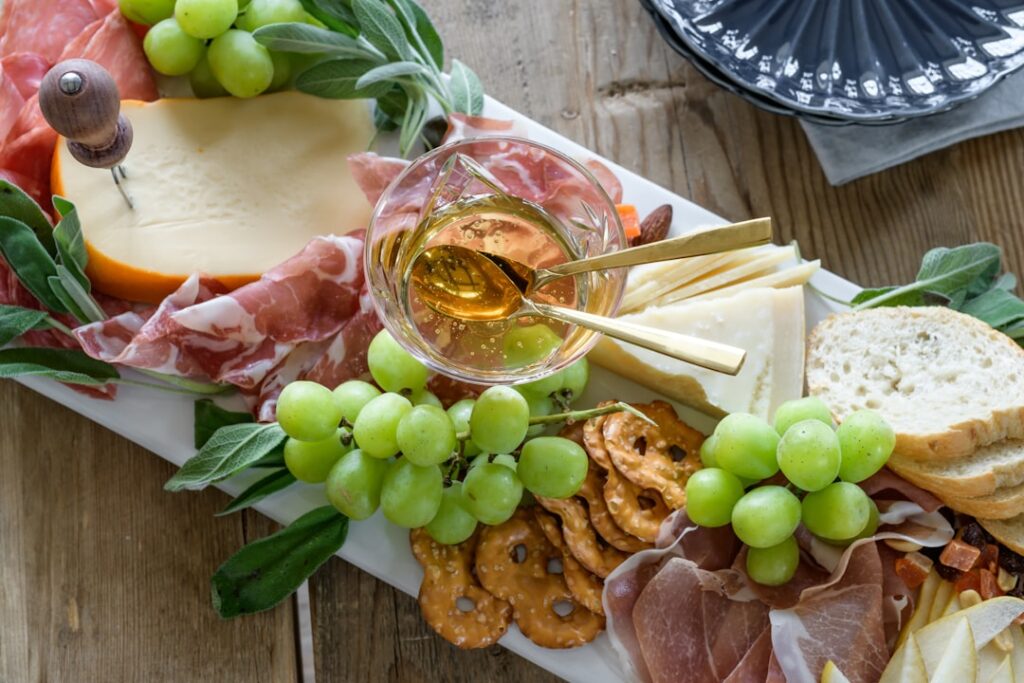
- Pairings and tasting: Try honeys with different cheeses: thyme honey with aged graviera, flower honey with fresh mizithra, eucalyptus honey with soft cheeses. Add dried fruits (figs, raisins), nuts and country bread for a full board. Don’t forget local olive oil and the island’s crisp white wine to tie the flavors together.
- Respect and ethics: Buy direct from producers when possible — it supports the local economy and ensures traceability. Follow farm rules: don’t feed animals without permission, heed safety instructions around hives and avoid smoking near beekeepers during visits.
Conclusion: Packing the Essence of Corfu in Your Luggage
Tasting Corfu’s cheeses and honey is like bringing home a piece of the island — its hills, wildflowers, craftsmanship and human connections. The concentrated aromas of maquis herbs, the texture of fresh mizithra or the complexity of an aged graviera all speak of a unique terroir. From visiting a small dairy to savoring a jar of honey on a terrace above the Ionian Sea, every experience deepens your sense of what « local product » really means.
In short: plan morning visits, book ahead, favor direct purchases from producers, transport and store your finds properly, and—above all—chat with the artisans to collect the stories that give these products their human dimension. Prices are reasonable for the time and skill involved (generally €10–25/kg for cheeses and €6–15 per honey jar), and the quality is worth every euro.
Finally, remember these products change with the seasons and the years: a dry summer can intensify honey’s floral notes, while a lush spring increases milk yields. Discovering Corfu’s cheeses and honeys means embracing the unexpected and indulging a curious palate. Whether you bring back hand-labeled jars, a vacuum-packed wheel of graviera, or just photos and conversations, you’ll take home more than flavors: you’ll carry a story — that of an island that cultivates an art of living through its most authentic products.