



Introduction — The colorful stalls of Corfu Old Town: a sensory journey
Corfu’s Old Town (Kerkyra) is a maze of cobbled lanes, Venetian façades, Byzantine churches and — above all — lively markets that set the island’s rhythm. Wandering among the colorful stalls here is like walking through history and tasting the Mediterranean in real time: sun-ripened vegetables, fragrant herbs perfuming the air, fish straight off the gulf, crunchy local pastries and artisans crafting handmade keepsakes. The traditional markets of the Old Town aren’t just shopping spots; they’re the social heart of Kerkyra, where locals meet, chat, haggle and pass down skills and recipes from one generation to the next.
This practical guide, written for the curious visitor and the discerning traveler, rounds up precise addresses, handy opening times, current price references in euros, immersive stall descriptions and local tips to make the most of every visit. You’ll find info on the Old Town’s most emblematic markets — from the large municipal market to the small stalls along the Liston, and the neighborhood stands around Spianada Square and the harbor. Each listing includes typical opening hours (note: times can vary by season and public holidays), suggested products to try, and tips on bargaining politely in the spirit of Greek conviviality.
Visiting Corfu’s markets also means following your nose: scents of oregano, thyme and candied lemon blended with the briny smell of grilled fish. It’s a chance to learn from vendors about local specialties — homemade bianco cheese, Kerkyraïkes olives, quince jam, extra virgin cold-pressed olive oil — and even buy a bunch of wildflowers for a few euros. For attentive travelers, these places offer memorable encounters: a fisherman telling the tale of today’s catch, a baker sharing the bougatsa recipe, or a blacksmith shaping an iron key to your specifications.
Finally, this guide focuses on logistics: how to get there from the port or bus station, the best times of day to visit (morning for freshness, late afternoon for atmosphere), and how to avoid tourist traps while supporting the local economy. Be ready to note addresses, taste, sniff, haggle with a smile and leave with more than purchases: stories and images etched into your memory of Corfu Old Town.
1) The Municipal Market of Corfu — Dimotiki Agora of Kerkyra (fresh produce market)
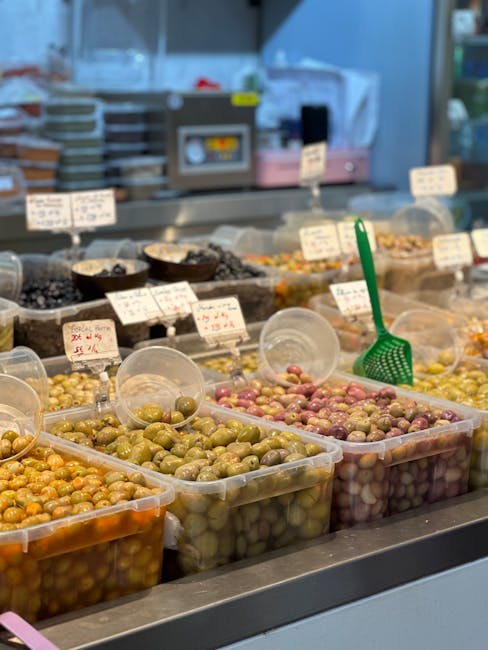
The municipal market, commonly called the Dimotiki Agora of Kerkyra, is the beating heart of Old Town’s food stalls. Address: Dimotiki Agora (Municipal Market), Plateia Theotokopoulou, 49100 Kerkyra, Corfu, Greece. It lies about 300 meters from Spianada Square and the Liston, within a few minutes’ walk from most Old Town hotels. The market is generally open Monday to Saturday from 07:00 to 14:00; some vendors stay open until 18:00 in high season (June–September). Most food stalls are closed on Sunday mornings.
This covered hall offers local fruits and vegetables (juicy tomatoes from €1.80/kg, cucumbers €1–1.50/kg), traditional cheeses (mizithra and graviera €8–15/kg depending on aging), olives (local varieties €4–8/kg), dried herbs (oregano, thyme €1.50–3 per jar) and a selection of fish and seafood: fresh sardines €6–8/kg, whole sea bream €10–15/kg depending on size. Many stalls are run by producers or small resellers, so tasting before you buy is often possible.
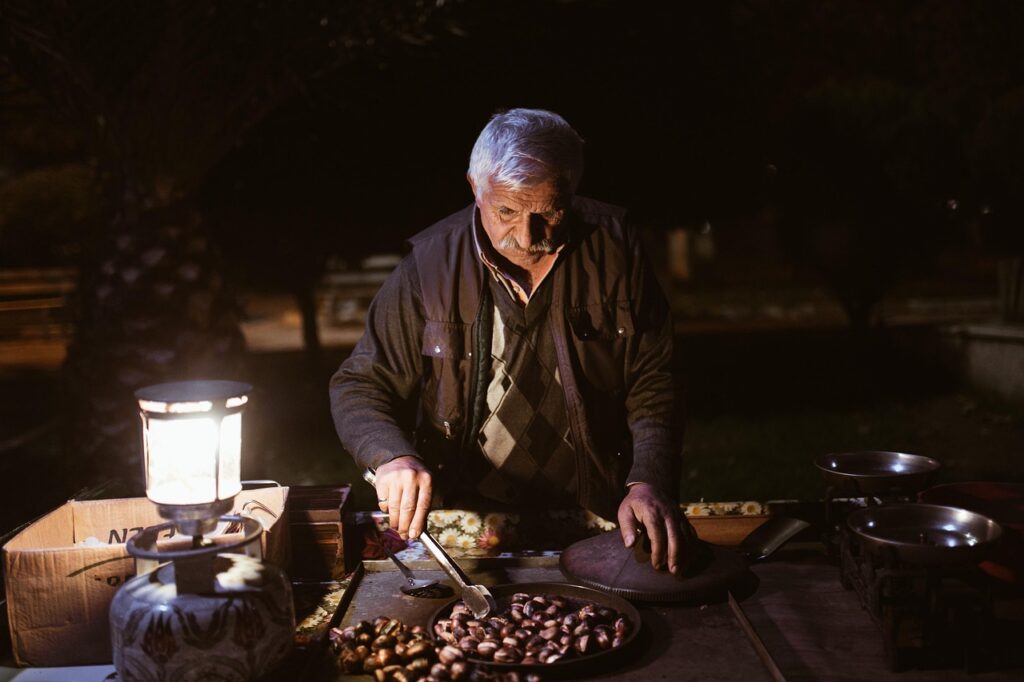
Immersive description: the market smells of olives, fresh mint and fish; wooden crates, old-fashioned scales and checked tablecloths add an authentic touch. Vendors who’ve been there for decades know their regulars’ preferences and won’t hesitate to offer a sample of cheese or a slice of watermelon on a hot summer morning.
Local tips: come early (08:00–10:00) for the best selection and to avoid the heat. Bring reusable bags and small change (1–2€ coins are handy). Politely negotiate when buying in bulk (more than 1 kg of olives or cheese): a 5–10% discount is sometimes possible. If you buy fish, ask how to keep it fresh — most fishmongers offer iced packaging for transport (nominal cost €0.50–1).
2) The Liston and Spianada stalls — cafés, pastries and handcrafted goods
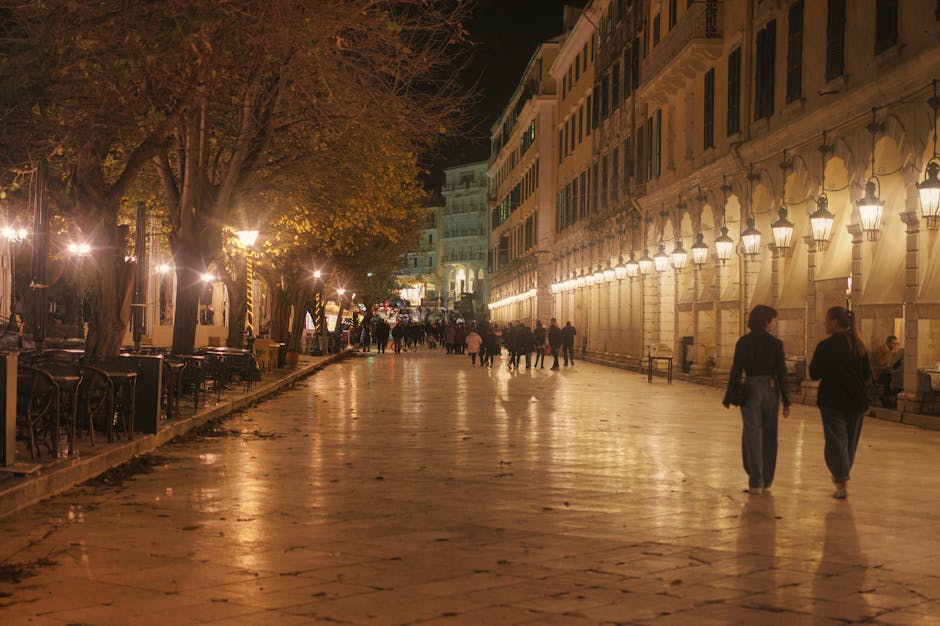
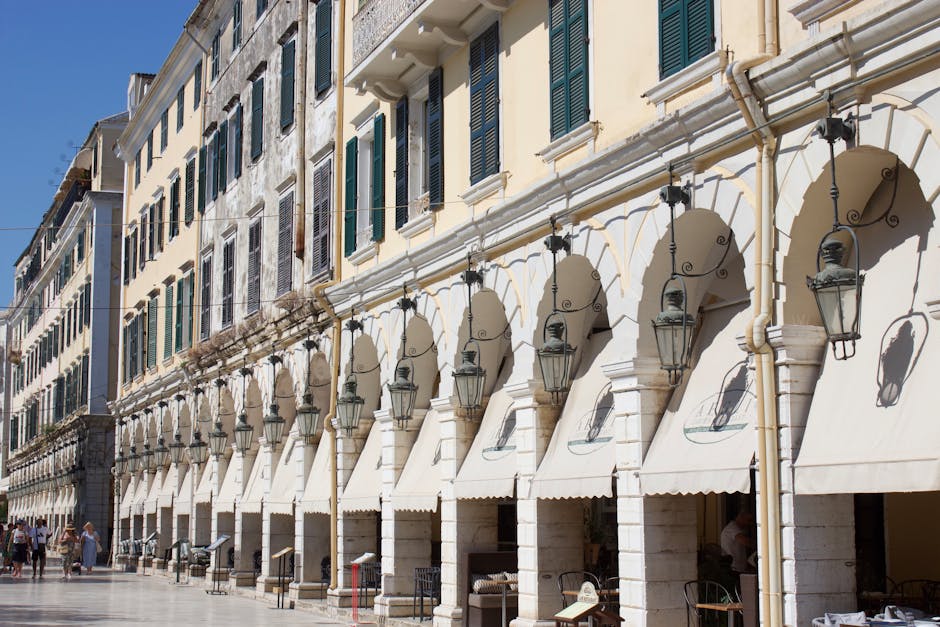
The Liston, the famous arcade-lined promenade inspired by Paris’s Rue de Rivoli, borders the wide Spianada esplanade. Address: Liston Promenade, Spianada (Esplanade), 49100 Kerkyra, Corfu, Greece. Stalls here are less concentrated than in the municipal market but the offering is more polished: traditional cafés, confectioneries, nut stands and small temporary artisan markets. Most businesses open from 09:00 to 22:00, with some cafés staying open until midnight in high season.
You’ll find typical pastries like baklava (portion €2.50–4), sweet bougatsa (filled pastry €2–3), and frappé or freddo espresso coffees (€2–3.50). Artisan stalls sell hand-painted ceramics, olive oil-based soaps (€4–8 each), woven bags and locally made silver jewelry (€20–60 depending on the piece).
Immersive description: the Liston hums with locals’ chatter and the clinking of cups. Seasonal stalls add splashes of color — baskets of oranges, embroidered linens and illustrated postcards. It’s the perfect spot to enjoy a pastry under the arches while watching chess players on the Spianada or street musicians punctuate the afternoon.
Local tips: for a great breakfast, try a coffee at « Cafe Liston » followed by a bougatsa at « Patisserie Aegli » (addresses along the Liston, prices listed above). For crafts, prefer buying from identifiable workshops — ask about material origin and choose handmade items. Vendors often accept cards for purchases over €20, but keep some cash for small buys.
3) Neighborhood markets along the waterfront and the old quay
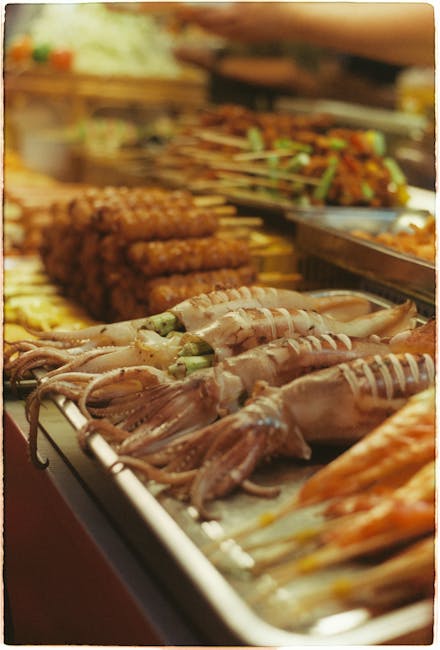
Along the seafront and near Corfu’s old harbor, several small markets and seasonal stalls offer grilled fish, takeaway mezzes and seafood. Indicative address: Old Port Quay, Old Port Road, 49100 Kerkyra, Corfu, Greece — pop-up stalls appear mainly between the main port and Marina Gouvia depending on the day of the week. Hours vary: food stalls typically open 10:00–22:00; fish vendors operate early in the morning (05:00–11:00) selling directly after the catch.
Products and prices: grilled calamari skewers €6–10, portions of marinated octopus €5–8, fish sandwiches (taramosalata or tarama) €3–5, mezze sharing plates €12–20 depending on size. Mobile fishmongers may offer fresh local catches from €8–12/kg for items like cuttlefish or small tuna.
Immersive description: the air is salty, laced with lemon and olive oil aromas. Nets dry in the sun, planchas sizzle and vendors call to passersby to try a bite. The view of colorful boats and the old fortress creates an unforgettable maritime atmosphere. Nearby terraces offer views of fish being unloaded and fishermen debating the best way to cook a catch.
Local tips: choose stalls with a steady stream of customers (a sign of freshness). If you buy fish to cook, ask if it’s « fresh caught » and how to keep it without a cooler for the day. Prices can be negotiated for portions meant to be shared. Avoid stalls right next to major tourist sights if you want to escape 20–30% markups.
4) Flea markets and secondhand fairs in the Old Town
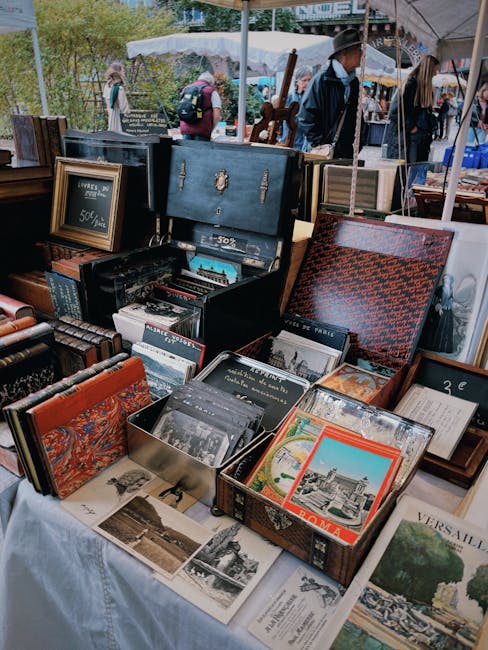
Beyond food, the Old Town hosts occasional flea markets where you can find antique furniture, books, postcards, vintage jewelry and religious artifacts. Main spot: Flea Market area near St. Michael and St. George Palace, Garitsa Road vicinity, 49100 Kerkyra, Corfu, Greece — events usually take place on weekends or during local festivals. Typical hours are 09:00–16:00 on Saturdays and Sundays; some markets run two days in high season.
Prices: a wide range — vintage postcards €1–5, English-language books €3–10, vintage jewelry €10–80, restored furniture €50–400 depending on condition. Vendors often prefer cash; for large purchases ask for a receipt or invoice.
Immersive description: you stroll down alleys strung with garlands and lamps, with enamel street name plaques calling out century-old routes. On the stalls you’ll find Corfu history books, military plates, chipped ceramics and wrought-iron keys that tell family stories. Dealers love to share an item’s backstory — ask, and you’ll often learn a personal piece of history.
Local tips: check items carefully (insects in textiles, metal oxidation). For bulky goods, negotiate delivery — sellers can arrange local transport for €20–60 depending on distance. Beware of fake « antiques »; if you want authentic pieces, do your research or buy from reputable antique dealers.
Conclusion — Practical tips and respecting local tradition
Corfu Old Town’s traditional markets offer a spectrum of experiences: from the bustling municipal hall to the elegant stalls of the Liston, from seaside fish stands to flea markets full of stories. To fully enjoy these places, a few simple rules will ensure a rich and respectful experience: come early for freshness, bring cash for small purchases, and be open to conversation. Vendors appreciate politeness and curiosity — a smile and a « kalimera » (good morning) often open the door to a free taste or an explanation about a product.
Favor local producers to support the island’s economy and always ask the origin of a product (cheese, oil, jam) if it’s not displayed. For international buyers, note that most stalls accept euros and that card payments are more commonly accepted at Liston shops than at small municipal vendors. If you’re traveling with luggage, bring a soft cooler for fish or cheese, or ask the seller for iced packaging for the journey (usual cost €0.50–1).
Finally, give yourself time: Corfu’s markets are meant to be savored slowly, like a shared meal. Take time to talk, taste and learn. The markets are a living reflection of local culture — they tell the story of the island’s seasons, geography and history. Whether you leave with bags full of olive oil and lemon biscuits or simply with human memories, you’ll have taken away the very essence of Kerkyra: a town full of flavors, colors and warm faces.