


Introduction: An Aromatic Stroll in Corfu — Between Wild Herbs and Mediterranean Spices
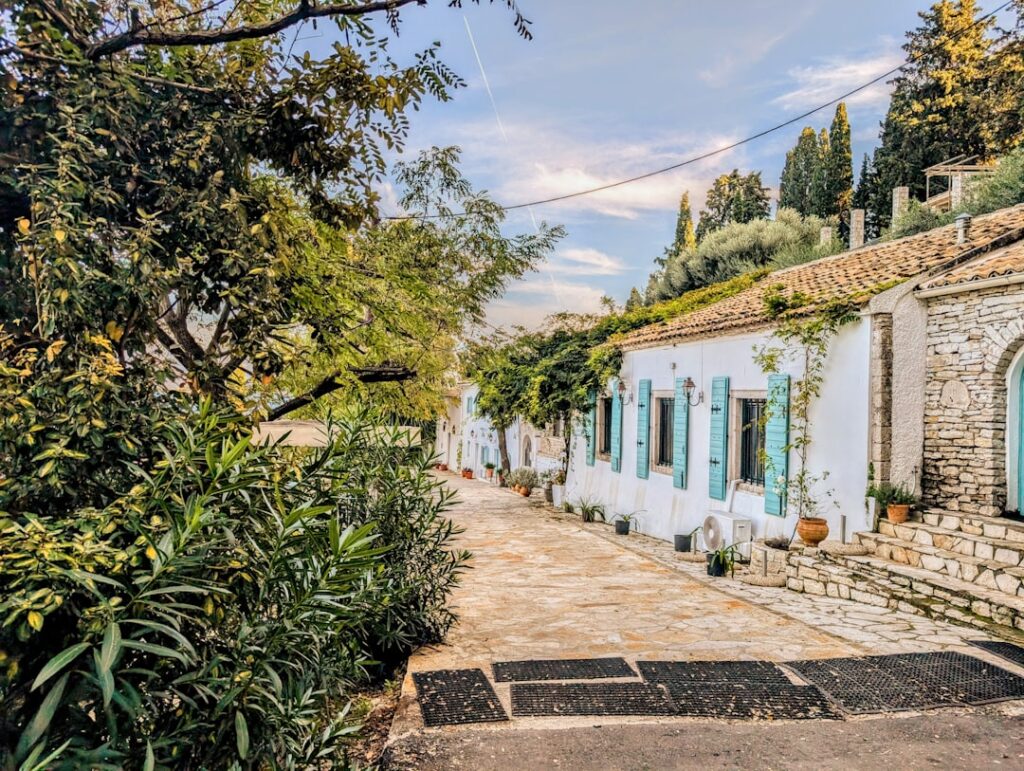
Corfu, the northernmost island of the Ionian archipelago, reads like a cookbook written by sea and mountain: sea salt, the gardens of Venetian palaces, hills draped in oaks and maquis scrub, and the vegetable plots and markets where the scents of oregano, thyme, bay and kumquat create a one-of-a-kind perfume. This aromatic stroll is a sensory journey through the spots, markets and workshops that keep the island’s culinary and herbal traditions alive. The idea is to read Corfu with your nose — to recognize a plant by its leaves, to identify a spice by its strength, and to understand how these flavors show up in local cooking — from avgolemono (the classic lemon-and-egg soup) to grilled fish dishes, not to mention kumquat jams and liqueurs, a true island specialty.
Rural Corfu is rich in edible wild herbs: compact oregano (Origanum vulgare), wild tetrogon, coastal fennel, marjoram, sage, and the very aromatic chrysanthemum (wild chrysanthemum often picked for stuffing). These herbs grow along country lanes, on dry stone terraces and in family gardens that have been cultivated without chemical fertilizers for generations. Historic palaces and gardens — like Achilleion in Gastouri or Mon Repos in Palaiopolis — also offer botanical walks where 19th-century introduced species (cypress, laurels, centenary olive trees) sit alongside native plants.
This guide will lead you through the alleyways of Corfu’s Old Town, into municipal markets, to meet olive oil makers, beekeepers and kumquat liqueur distillers, and out on hill paths to learn how to recognize, harvest and respect wild flora. You’ll find specific addresses, opening hours, typical prices and practical tips to enjoy this aromatic walk safely and sustainably. Whether you’re a foodie, an amateur botanist, a photographer or just a curious stroller, expect to smell, taste and bring home memories that last long after the trip ends.
Before you go, a few precautions: wild harvesting is regulated in some protected areas — check with local tourist offices and avoid collecting rare or protected species. Wear closed shoes for trails, a hat and bring water — the Ionian sun can be relentless. Finally, respect producers: when you buy thyme, oregano or a bottle of oil, ask about the origin and the harvesting method. The pleasure of an aromatic walk in Corfu lies as much in the scent as in the human encounters that accompany it.
[[IMAGE:Corfu Old Town Spianada aerial view morning]]
Wild Herbs of Corfu: Trails, Identification and Responsible Foraging
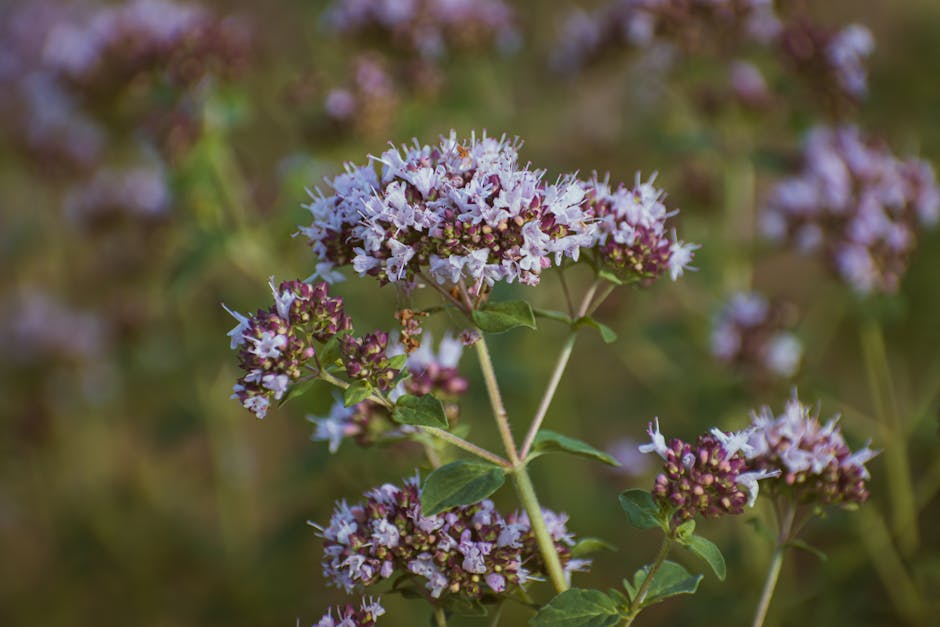
Corfu’s limestone hills and maquis-covered landscape are perfect for a wide variety of aromatic wild herbs. From trails around Paleokastritsa to slopes near the village of Gastouri, you’ll find oregano, savory, marjoram, thyme, wild lavender and coastal fennel. To enjoy these walks, start preferably early in the morning or late afternoon, when essential oils are at their peak and the light gives everything warm tones. Locally, spring (April–May) is the best time to forage — plants are young and more fragrant; in summer some species can be too dry for optimal harvesting.
Recommended areas include the paths around the Mon Repos Estate (Mon Repos, Palaiopolis, Corfu 491 00) which offer easy walks shaded by oaks and olive trees, while the coastal trails of Paleokastritsa (Paleokastritsa 490 83, Corfu) and the hills near Kassiopi (Kassiopi 490 80, Corfu) are ideal for spotting Mediterranean species tolerant of salt and wind. On these routes you’ll learn to tell wild oregano (smaller, finer leaves) from cultivated oregano, or local sage from horticultural varieties. Wild fennel plants, recognizable by their hollow stems and umbrella-shaped flower clusters, are common near the shore and add an aniseed note to the landscape.
Responsible foraging tips: never take more than a third of a clump; cut with scissors rather than uprooting; note the location (GPS or photo) so you can return later without damaging the site; do not harvest in protected or private areas without permission. If you prefer a guided experience, several local associations run botanical walks — expect to pay around €20–40 per person for a 2–3 hour excursion with a naturalist guide who will teach you how to identify, harvest and use these plants in the kitchen.
What to bring back? Small bundles of dried oregano (€2–4 per handful at markets), a sprig of thyme (€2–3), or dried bay leaves (€1–2). For a more crafted souvenir, look for flavored olive oil (approx. €6–15 for a 250 ml bottle) or herb salt. Remember that the experience is as much about the scent and plant recognition as the finished products; take notes and photos to learn progressively.
Markets, Delis and Workshops: Where to Buy Spices and Local Products
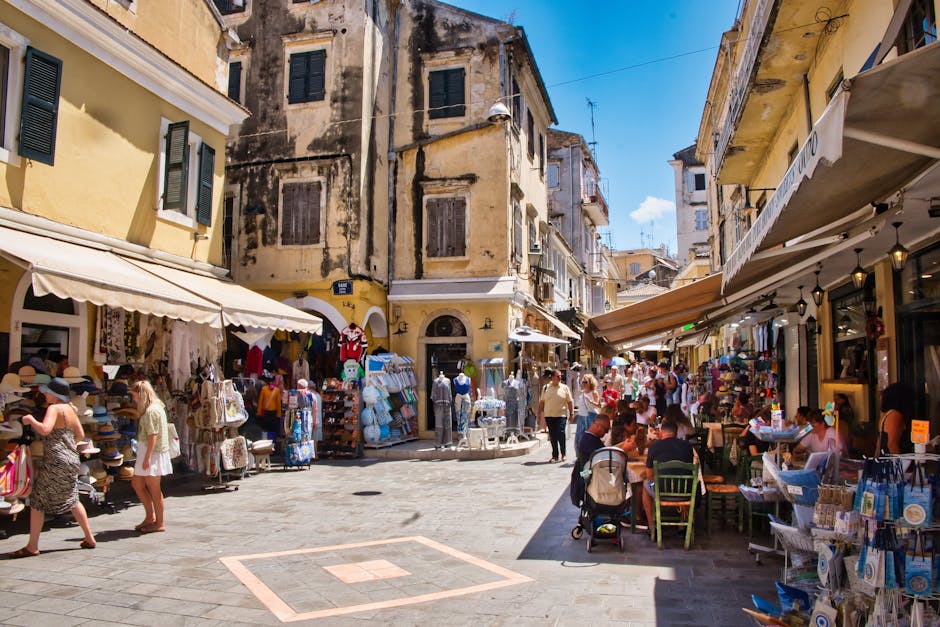
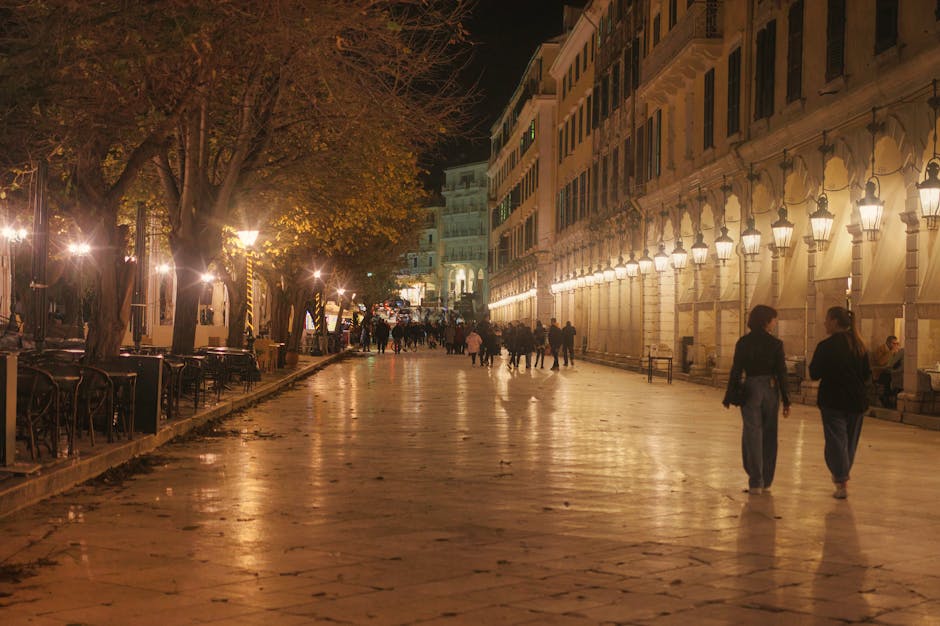
To bring Corfu’s flavors home with you, a few places are essential. In the heart of the Old Town, the Municipal Market of Corfu (Markata) sits near the Spianada: indicative address Spianada Square, Corfu Old Town, Corfu 491 00. The market typically opens from 08:00 to 14:00 Monday to Saturday; some stalls stay open until 18:00 in summer. Here you’ll find dried herbs, local honey, kumquat jams, olives and cheeses. Typical prices: a sachet of dried oregano €2–4, a 250 g jar of artisanal honey €6–12.
Another recommended stop: the « Kumquat House » shop in the Saint Spyridon/Liston area (Liston, Corfu Old Town) which sells kumquat-based liqueurs and jams — the island’s specialty. Address: Liston Promenade, Corfu Old Town, Corfu 491 00. Opening hours: 09:00–22:00 in high season. Prices: kumquat liqueur 200 ml about €8–15, jam 250 g about €4–8.
For olive oil and bulk herbs, the cooperative « Agro Olivo Corfu » (example address: Ethnikis Antistaseos 15, Corfu Town 491 00) offers tastings — usually open 09:00–17:00. Prices: extra virgin olive oil 500 ml €8–20, depending on quality and appellation. For more specialized purchases (mastiha, imported spices, local blends), visit « Vlahos Spices & Herbs » on the Old Town’s main shopping street, where you can also buy spice mixes for fish, vegetables or meat. Opening hours: 09:00–14:00 and 17:00–21:00 in summer. Cooking workshops run by local chefs often include a market visit: budget €45–75 per person for a half-day with tastings.
To shop consciously: taste before you buy (most shops allow samples), ask about origin (island-grown vs imported), and favor bulk or small packages for lighter souvenirs. Remember airline rules for alcohol and liquids if you’re flying: most shops offer bubble-wrap and boxes for checked luggage.
Palaces, Gardens and Fragrant Museums: Achilleion, Mon Repos, Vlacherna
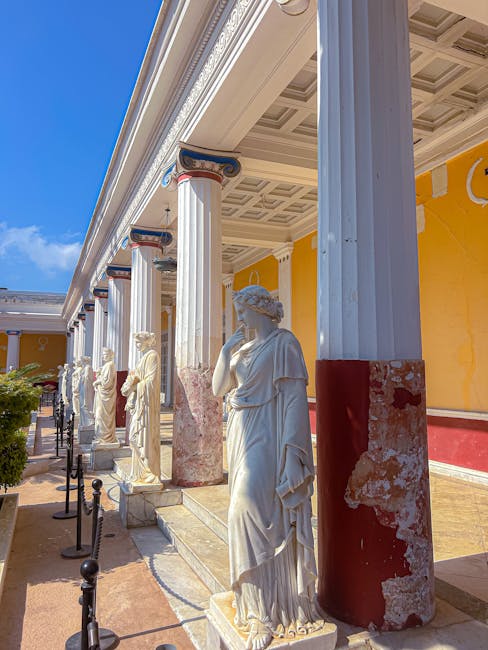
Corfu’s great gardens and palaces offer both historical richness and remarkable aromatic walks. Achilleion Palace, located in Gastouri, is a must-see: address Achilleion Palace, Gastouri, Corfu 491 00. Typical opening hours: 08:00–20:00 in high season (hours may vary off-season). Admission: adults €10–12, reduced €5–6; up-to-date info available at the ticket office. The Achilleion gardens, created for Empress Elisabeth of Austria in the 19th century, mix laurels, cypress and flower beds that release subtle scents in the morning and late afternoon. It’s an ideal spot to spot species introduced during the neoclassical era and to see how fragrances were used in landscape design.
Mon Repos (Mon Repos Estate, Palaiopolis, Corfu 491 00) is another historic property with wilder gardens, shady areas and olive groves. The Mon Repos Museum is usually open 09:00–17:00; the park is accessible for walks. Pathways are lined with aromatic shrubs and occasional wild herbs spreading across the lawns. Guided visits of the estate often include botanical and historical explanations (expect about €5–8 for park/museum entry depending on the season).
In Kanoni, near the famous Vlacherna chapel and Pontikonisi island, you’ll find a coastal landscape dotted with salt-resistant plants. Vlacherna Monastery (Kanoni, Corfu 491 00) is reachable on foot from the main parking area; the chapel is generally open 07:00–19:00. The salty air combined with whiffs of thyme and rosemary along the path creates an almost meditative atmosphere. These spots are also perfect for photographing light and gardens and for gathering culinary pairing ideas (for example, grilled fish scented with lemon-thyme).
Practical tip: combine a cultural visit with a sensory workshop. Many private guides offer « garden and kitchen » circuits (3–4 hours) that include tastings and explanations about the herbs’ origins. Average price: €30–60 per person depending on group size and inclusions. Check opening hours out of season and book workshops in advance, especially in summer.
Recipes, Tastings and Workshops: Learning to Use Corfu’s Herbs
Nothing connects you to a terroir quite like cooking. In Corfu, wild herbs and local spices are woven into simple, soulful recipes: rosemary lamb marinades, fish with wild fennel, salads with feta and oregano, and kumquat jams and liqueurs. Several cooking classes and tastings let you learn directly from local chefs and producers.
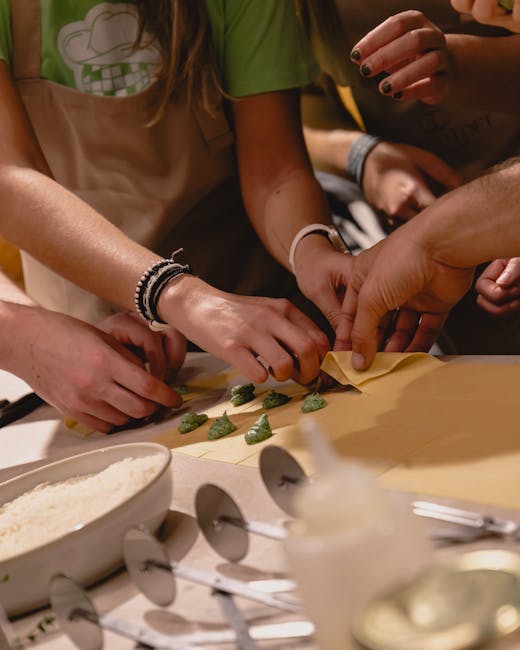
Typical workshop: « From Market to Table » (half-day). Usual flow: meet at the Municipal Market (Spianada area, Corfu Old Town 491 00) for a guided ingredient selection (08:30–10:00), followed by a hands-on cooking session in a local kitchen (10:30–13:30) where you prepare three dishes and a kumquat-based liqueur/dessert. Prices: €45–75 per person depending on the provider, ingredients included. Workshops cover herb identification, preservation techniques (drying, infusions, flavored oil) and herb-food pairings (which oregano is best for meat vs fish, how to use sage in sauces, etc.).
For pantry lovers, look for olive oil extraction introductions or honey tastings: local beekeepers sometimes open their operations for 1–2 hour sessions (€10–20) that include sampling several honeys (maquis, thyme, wildflower). Other workshops focus on distilling and macerating kumquats to make homemade liqueurs and preserves.
Small recipes to try at home:
- Thyme-Infused Corfu Olive Oil — Ingredients: 250 ml extra virgin olive oil (€8–15 depending on quality), 3 fresh sprigs of thyme. Method: rinse and dry the sprigs, gently warm the oil with the herbs for 10 minutes, let infuse 24–48 hours, then strain. Use: drizzled over fish or grilled vegetables.
- Confit Kumquat — Ingredients: 300 g kumquats, 200 g sugar, 100 ml water. Method: blanch, drain, simmer gently until glazed. Storage: sterilized jar 4–6 months. Typical local price: 250 g jar of jam €4–8.
- Corfu Herb Salt — Ingredients: 200 g coarse salt, 2 tbsp dried oregano, lemon zest. Method: mix and let dry 48 hours.
Practical tips for workshops: bring a small notebook, ask for written recipes and weights so you can recreate dishes at home. If you travel light, favor small bottles of flavored oil, sachets of bulk herbs or jars of jam. Workshops are often bilingual (English–French), but booking early is recommended in high season. Also inform hosts about any dietary restrictions: Corfiot cooking commonly uses olive oil, lamb, fish, eggs and local cheeses.
Local Practical Tips, Suggested Routes and Useful Info
To plan your aromatic walk, here are practical tips on transport, weather, opening hours and safety. Getting around: Corfu Town is easy to walk, and many sites (Achilleion, Mon Repos, Kanoni) are reachable by bus from Corfu Town bus station (KTEL Corfu). Indicative bus fares: urban trips €1.20–2.00; Corfu Town–Achilleion about €2–3 per person. Renting a car or scooter gives more freedom to explore trails and small producers: estimated rental cost €25–50 per day for a compact car in high season.
Weather and seasonality: summers (June–August) are hot and dry, ideal for morning markets and late-afternoon garden visits. Spring (April–May) is prime time for foraging, with mild temperatures and abundant vegetation. Off-season (October–March) some workshops and shops close or reduce hours — check before you travel.
Health and safety: always wear proper hiking shoes, avoid wet rocky trails in spring without appropriate footwear, and carry water (at least 1 liter per person for a half-day walk). Preserve the flora: don’t pick near steep edges or nesting areas, and avoid harvesting after heavy rains when regeneration is needed.
Useful contacts and summary hours (check locally):
- Achilleion Palace — Achilleion Palace, Gastouri, Corfu 491 00 — Hours 08:00–20:00 (summer) — Admission €10–12.
- Mon Repos Estate / Museum — Mon Repos, Palaiopolis, Corfu 491 00 — Hours 09:00–17:00 — Park/museum entry €5–8.
- Vlacherna Monastery — Kanoni, Corfu 491 00 — Accessible 07:00–19:00 — free (donations welcome).
- Municipal Market of Corfu (Markata) — Spianada area, Corfu Old Town 491 00 — Hours 08:00–14:00 (some stalls extend in summer) — prices vary.
Suggested one-day itinerary: start 08:00 at the municipal market to buy a few herbs and some candied kumquat; 10:00 stroll Mon Repos to spot olive trees and aromatic plants; 12:30 lunch at the Liston (Liston Promenade, Corfu Old Town) with a plate of cheese, olives and flavored oil; 15:00 visit Achilleion in Gastouri; 17:30 return to Kanoni to photograph Vlacherna at sunset. This loop mixes markets, palaces and coastal scenery for a full immersion in Corfu’s gustatory and botanical heritage.
Final recommendations before you leave
Favor local producers and ask about cultivation and harvesting methods. If you plan to export agricultural products, check your country’s customs regulations for honey, herbs and olive oil. Finally, give yourself time: the best way to discover aromas is to listen to producers, smell fresh herbs and taste slowly to understand origin and story.
Conclusion: Bringing Back Corfu’s Scented Soul
The aromatic stroll in Corfu invites you to slow down and listen to the landscape with all your senses. Beyond postcards and monuments, it’s the smells — oregano heated by the sun, thyme growing on rock, bay beneath an olive tree’s shade, candied kumquat in a glass jar — that tell a living story. As you wander markets, palaces, trails and workshops, you learn how these modest natural elements shaped Corfiot cuisine, economy and culture.
Coming home with a sachet of herbs, a bottle of flavored oil or a bottle of kumquat liqueur is to carry away a small sample of the island — but the real treasure is the olfactory memory, the image of a sunset walk at Kanoni or the hands of a producer pouring honey into a jar. To extend the experience, recreate the recipes you learned, host an oil-and-honey tasting with friends, and use the herbs you gathered in Corfu to flavor everyday dishes — each memory becomes an excuse to tell the island’s story to those who couldn’t make the trip.
And finally, don’t forget the responsibility that comes with harvesting and consuming: respect nature, support small producers and prioritize local purchases. By doing so, you help preserve a living heritage and transmit skills. The next time you close your eyes and catch a whiff of oregano and thyme, you may be instantly transported to a Corfiot hill — at the heart of an aromatic stroll whose perfumes linger long after you return.