



Introduction: An island where faith becomes a celebration
On the island of Corfu (Kerkyra), Byzantine tradition isn’t confined to museum displays — it’s alive, celebrated and woven into everyday life. Religious festivals here take on spectacular and moving forms: solemn processions, Orthodox services sung in ancient Greek, venerated relics, and popular customs like the famous pot-throwing. For the observant traveler, attending a religious celebration in Corfu is a way to step into an island where Byzantine history has blended with Venetian, French and British influences to create a one-of-a-kind liturgical and festive calendar.
The presence of the Orthodox Church is obvious the moment you walk the narrow streets of Corfu Town: red bell towers, modest domes and interiors filled with icons and prayer. Among the must-see sites, the church of Agios Spyridon (Saint Spyridon) dominates the historic center; it houses the island’s patron saint’s relics and is at the heart of many celebrations. The walls of the Old Fortress (Palaio Frourio) provide a dramatic backdrop for processions and sacred concerts, while the Palace of St Michael and St George (home to the Museum of Asian Art) is a reminder of the island’s ability to mix the sacred with cultural heritage.
But Corfu is not just about services and buildings: it’s also the popular fervor that turns religion into a communal spectacle. The best-known example is the botides — the clay pots that locals fling from balconies on Easter night, a ritual that mixes symbolism, joy and a test of dexterity. These practices, sometimes puzzling to foreign visitors, express deep-rooted cultural ties: they strengthen family and village bonds, recall historical episodes and protective saints, and preserve gestures passed down through generations.
In this article we’ll explore the main sites, the major rites, a few museums and monuments where the festive season takes on special resonance, and practical tips for attending celebrations without offending local customs. Whether you’re a believer, a history buff or simply curious, planning a visit to Corfu during a Byzantine festival requires attention and respect — and a healthy dose of curiosity to appreciate the beauty of age-old rituals that still bring the whole island together.
The religious heart of Corfu: churches, relics and rites
At the center of Corfiot religious life are a handful of major buildings where Byzantine rites are performed with intensity. The Church of Saint Spyridon (Agios Spyridonas) is arguably the most venerated location. Address: Platia Agiou Spiridonos, Corfu 491 00. The church is open to the public free of charge for services; tourist visits are possible outside Mass times. Typical hours: morning Mass at 08:00 and vespers at 19:00, with extended schedules during Holy Week (check the parish bulletin on site). The church houses the relic of Saint Spyridon in a silver-and-glass reliquary; the annual procession of the saint draws thousands of worshippers.
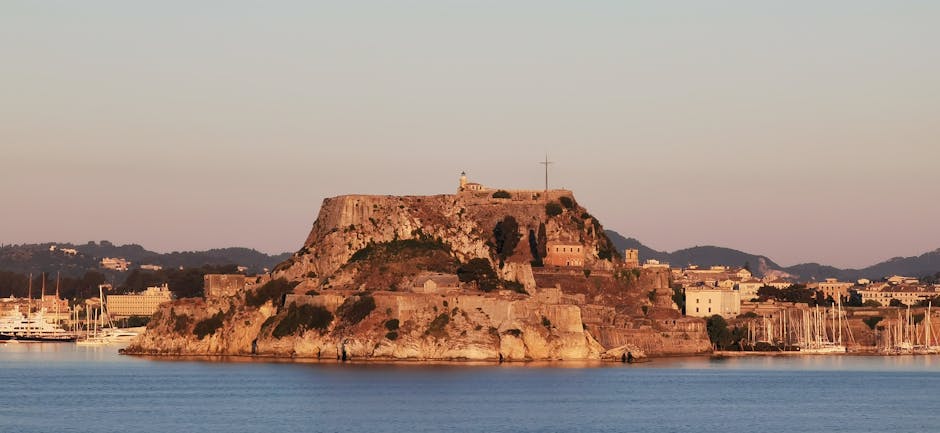
Another essential stop is the Old Fortress (Palaio Frourio), located at the tip of the old town, address: Palaio Frourio, Kerkira 491 00. Admission: around €6 (indicative price, discounts for students and seniors). Hours: usually 08:00–20:00 in high season. The fortress is not only a historical viewpoint: it sometimes hosts outdoor services, liturgical concerts and vigils. The atmosphere between the massive walls at sunset gives Byzantine rites a dramatic, almost cinematic dimension.
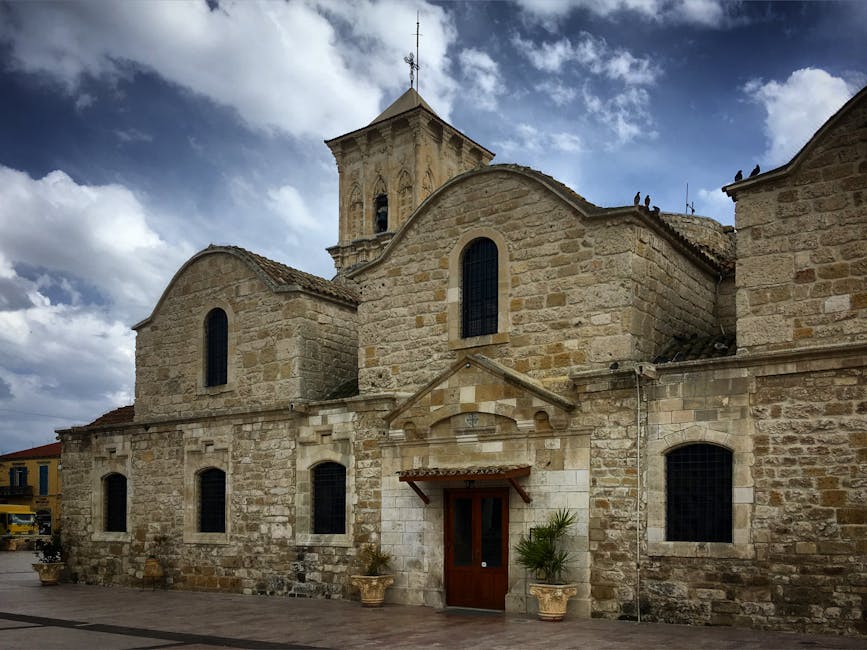
Don’t miss the Panagia Vlaherna Cathedral (and Venetian churches such as the Church of the Virgin) and the Small Church of Saint George in the old town, where icons and Byzantine chant provide a direct encounter with local spirituality. Numerous monasteries and chapels dotted around the island — for example the Vlacherna chapel near Kanoni, address: Vlacherna Monastery, Kanoni, Corfu 491 00 — hold special services during major feasts; Vlacherna is especially photogenic at sunrise.
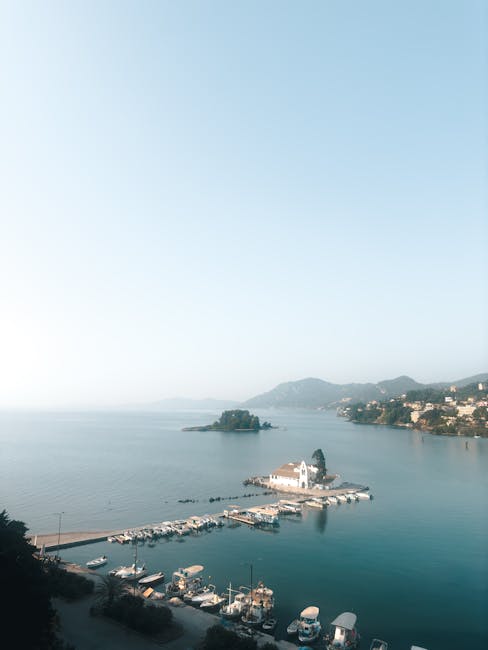
Local tip: arrive at least 30–45 minutes before a procession or expected service (especially during Easter) if you want a spot near the choir or the reliquary. Respect access rules: dress modestly, avoid photography during extended prayer moments, and keep a relative silence. If you want to touch an icon or kiss a relic, watch what worshippers do first; priests generally allow respectful participation from visitors.
Holy Week rites and the pot-throwing (botides)
Holy Week in Corfu is an immersive experience: it starts on Palm Sunday and builds to the Easter Vigil and Easter Sunday. Byzantine rituals are sung in liturgical Greek by church choirs, often a cappella, and the purity of the melodies amplifies the collective emotion. Major services take place in venues like the Church of Saint Spyridon (Platia Agiou Spiridonos, Corfu 491 00) or the Cathedral of the Annunciation of the Virgin (address: Panagia Spilaiotissa area, check local times). Typical schedule: Maundy Thursday (evening liturgy 18:00–21:00), Good Friday (morning procession 10:00, major night procession 20:00–23:00), Holy Saturday the Vigil often begins around 23:30 with the proclamation of the Resurrection at midnight.
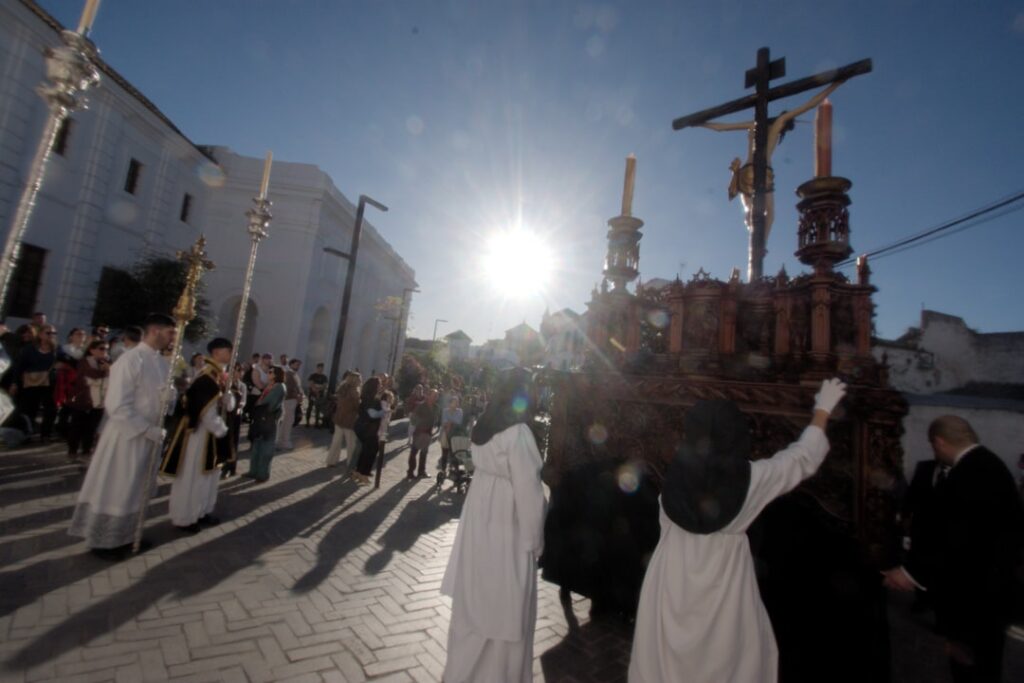
The most famous and unusual rite is the pot-throwing (botides): on Easter night (Saturday at midnight), locals throw thousands of clay pots from windows and balconies onto the streets below. Supposed origin: an ancient celebration linked to house purification, a symbol of renewal and, according to local tradition, a way to cast out evil. Where to watch? The streets around Theotokopoulou and the Spianada square (Esplanade) are among the spots where the practice is most intense. Warning: the pot-throwing can be loud and creates debris — wear closed shoes and stay on sidewalks or behind barricades if they’re in place.
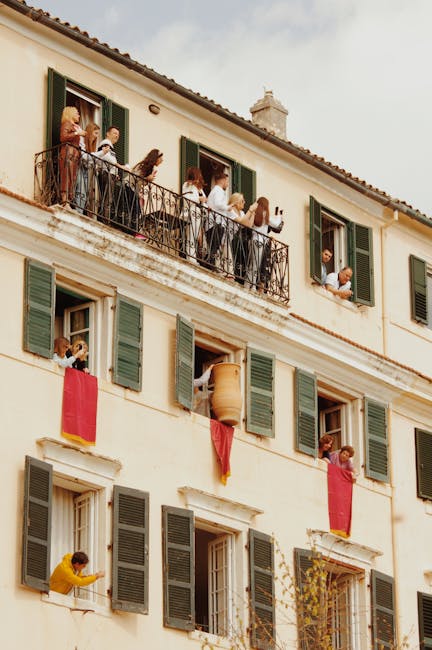
Timings and safety: the critical moment is exactly midnight; many residents gather on balconies from 23:30. Shops and tavernas stay open late; local police and civil protection manage crowds on main axes. For families with children, pick a vantage point up high (Liston Arcade, a café terrace on the Spianada) to avoid being in the middle of the debris. Services and processions often attract international visitors — aim to arrive early for a seat and respect solemn moments, especially during Good Friday processions when low voices are expected.
Monuments and museums to visit during the festivities: history and religious art
Beyond the celebrations themselves, Corfu has museums and monuments that help put Byzantine rites in context. The Museum of Asian Art is housed in the Palace of St Michael and St George, address: Esplanade, Corfu 491 00. Hours: generally 10:00–17:00 (closed some days; check before visiting). Indicative admission: €6–€8. Although focused on Asian art, the building and some temporary exhibitions shed light on the cultural exchanges that shaped the island.
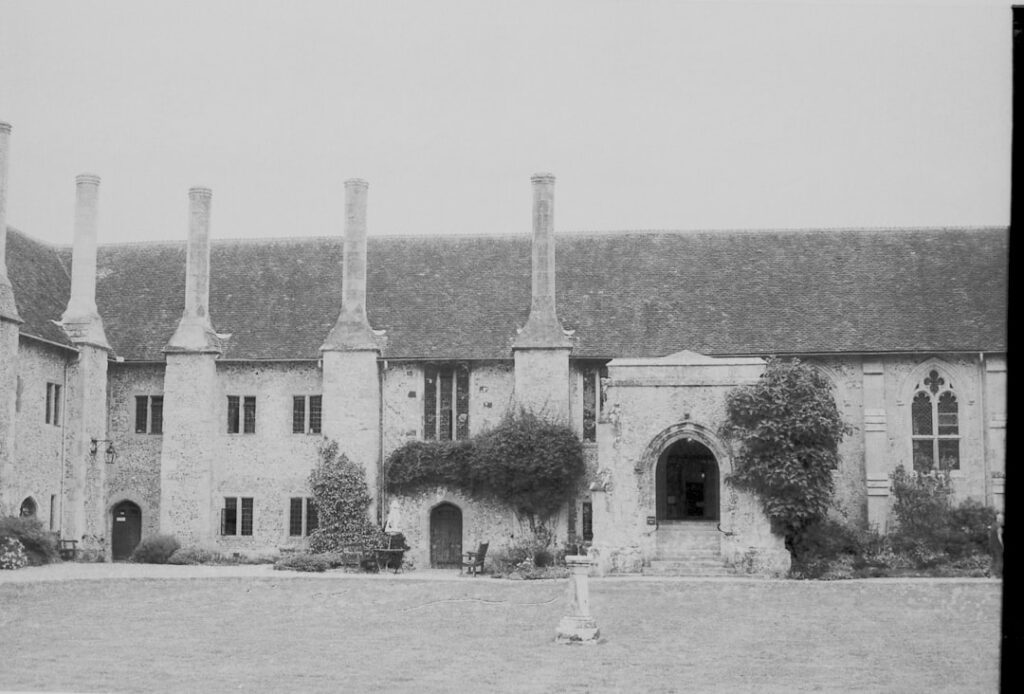
The Mon Repos (Mon Repos Palace), address: Palaiopolis, Kanoni, Corfu 491 00, is another worthwhile visit during a religious stay. This palace and its park often host concerts and temporary exhibitions during the Easter period. Hours: 09:00–20:00 in summer; admission: around €4–€6 for the park and palace (combined tickets with other attractions may be available).
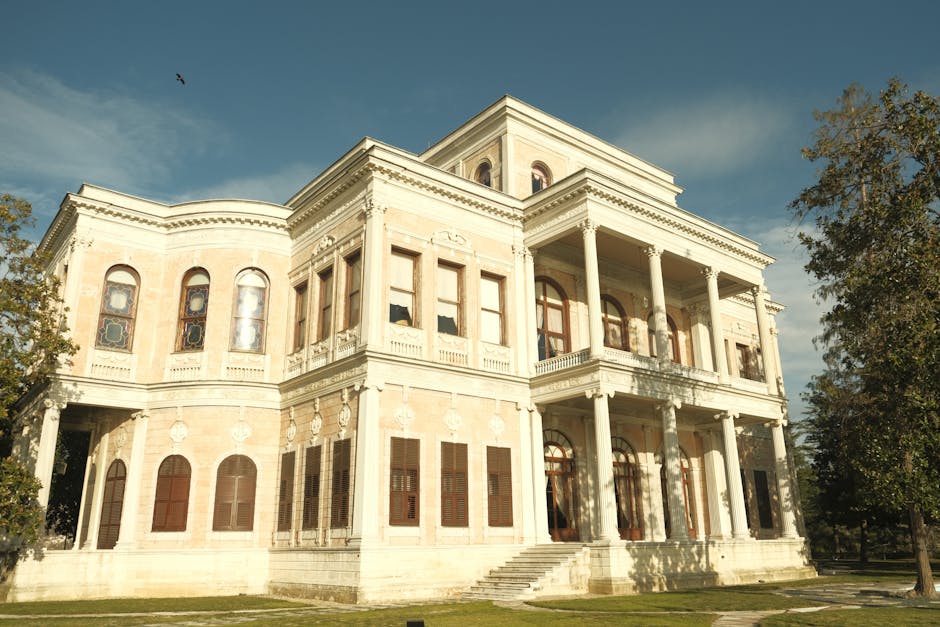
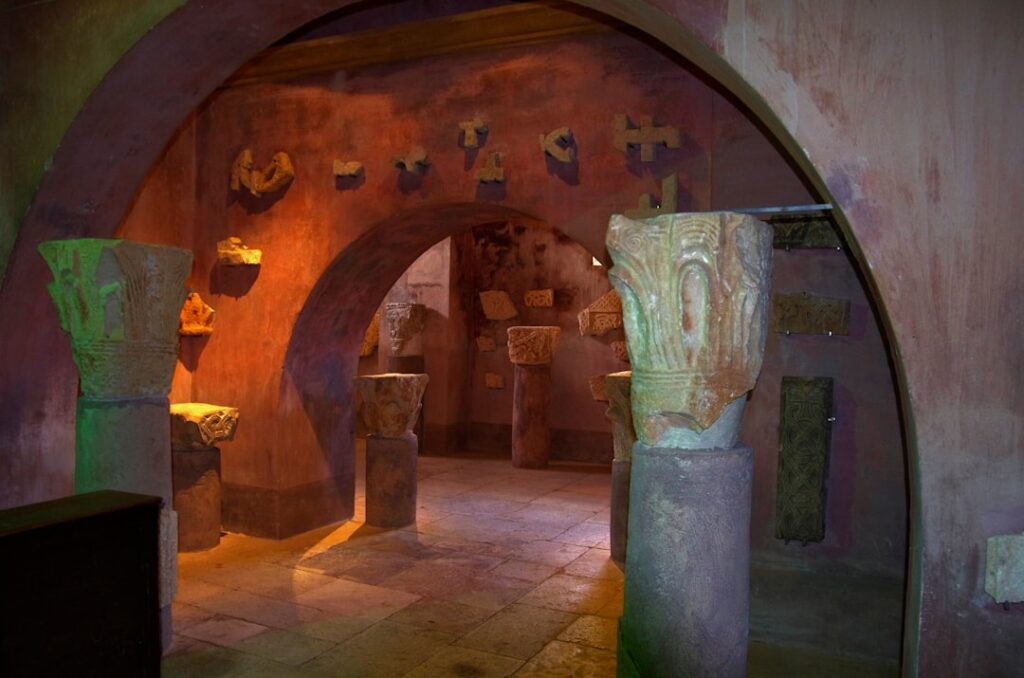
For an archaeological and historical perspective, the Archaeological Museum of Corfu (address: Neofytou Prodromou 1, Kerkyra 491 00) displays objects that show the longevity of religious practices on the island. Hours: 08:00–15:00 off-season, sometimes extended in summer; admission: about €6. These museums help explain how sacred art, icons and relics have been transmitted and transformed over the centuries.
Practical tip: during festival periods many museums change their opening hours or close so staff can take part in services. Always check official websites or call local tourist information (Corfu Tourist Office, Esplanade, Corfu 491 00; local phone: +30 26610 00000 — verify the number before you travel). Buy skip-the-line tickets when possible and combine museum visits with attending a service to gain a fuller understanding of the traditions.
Practical tips for attending Byzantine festivals in Corfu
Preparing your visit to Corfu during a Byzantine festival takes a bit of planning. Here are practical tips to help you make the most of the celebrations:
- Book accommodation early: the Easter period is highly sought after. Prefer a hotel in Corfu’s old town (Kerkira) to be within walking distance of processions. Examples: Corfu Palace Hotel, Liston area, approximate address: Esplanade, Corfu 491 00 — rates vary €60–€180/night depending on season.
- Getting around: the old town is often closed to traffic during processions. Use taxis or walk; main bus stops are at Corfu Bus Station (address: Corfu Bus Station, Votsi 30, Kerkyra). Ferries to other parts of the island depart from the main port (New Port / Nea Port, Corfu Town).
- Safety during the pot-throwing: wear closed shoes, avoid strollers in the city center at midnight, and locate exits. Organizers sometimes put up barriers; respect them.
- Respect and behavior: dress modestly for church entry (shoulders and knees covered). Ask permission before photographing someone in prayer, and avoid flash during services.
- Money and fees: carry cash for donations and small payments (some monuments mainly accept cash). Typical admission fees: Palaio Frourio €6, Mon Repos €4–€6, Museum of Asian Art €6–€8; prices indicative and subject to change.
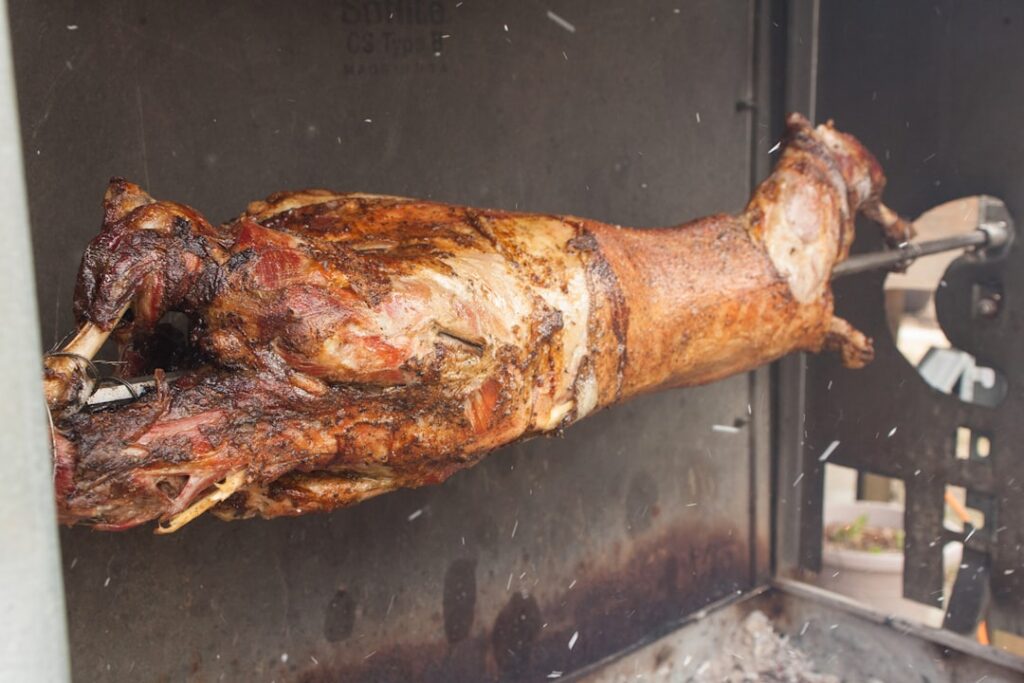
- Food: try local Easter specialties like tsoureki (sweet brioche) and roast lamb at traditional tavernas: Taverna Rouvas (local example address: 12 Theotokopoulou St., Kerkyra — check on site), typical meal prices €12–€25 per person.
Finally, soak up the rhythm: Byzantine festivities in Corfu blend solemnity with popular joy. With a bit of planning — the right times, respect for local rules and a few alternative routes — you’ll leave with strong images and a deeper understanding of an island where faith shapes public space and people’s calendars.
Conclusion
Attending a Byzantine festival on the island of Corfu means allowing yourself to be swept up in a living history where stone, song and ritual form an inseparable whole. From the soaring Orthodox services at Saint Spyridon (Platia Agiou Spiridonos, Corfu 491 00), to the solemn processions in the Old Fortress (Palaio Frourio, Kerkira 491 00) and the exuberant midnight pot-throwing, each moment offers a different window into the Corfiot soul. The museums — the Museum of Asian Art at the Palace of St Michael and St George (Esplanade, Corfu 491 00), Mon Repos (Palaiopolis, Kanoni, Corfu 491 00) and the Archaeological Museum (Neofytou Prodromou 1) — provide historical and artistic keys to better grasp the depth of the rites.
For the visitor, the golden rule is respect: respect the places, the people and moments of quiet devotion. Coming prepared — knowing service times, local restrictions, appropriate dress and closed shoes for Easter — will not only help avoid mishaps but also allow you to enter an intense human and sensory experience. Corfu’s celebrations are both a spectacle and a sharing: the fervor, Byzantine chants, candlelight and the dust of broken pots combine into a story of which you will be, for a few hours or days, a privileged witness.
Plan ahead, but leave room for the unexpected: a procession that turns down an unplanned alley, a chat with a local who explains the meaning of an icon, or discovering a tiny chapel where old-fashioned chant is still alive. These little moments are what turn a visit into a journey. Corfu, island of saints and festivals, awaits — bring your respect, your curiosity and your camera (no flash during services) and let yourself be carried away by the beauty of a living Byzantine tradition.