



Introduction: Why Venture Beyond Corfu’s Beaches
Corfu, an Ionian island drenched in sunlight and olive trees, is often thought of in terms of turquoise beaches, lively resorts and the cosmopolitan charm of Corfu Town (Kerkyra). Yet tucked into the island’s green interior are numerous hamlets and villages that reveal a quieter, more authentic and timeless side of Corfu. These secret settlements — perched on hillsides, nestled in olive-filled valleys or tucked beside discreet coves — offer a deeper understanding of rural history, local culture and culinary traditions. They invite you to slow down, listen to the cicadas, share a glass of ouzo with locals and discover panoramas even many repeat visitors never see.
Mass tourism has its appeal, but exploring villages off the beaten path delivers a different reward: you step into places where time seems to move more slowly, winding roads open surprising views, and small Byzantine churches, paved squares and stone houses tell stories spanning centuries. These hamlets are also havens for hikers, photographers, local archaeology fans and lovers of rustic cuisine. Plus, you’ll often find better value when buying local produce — olive oil, cheeses, wines, jams — and the chance to make responsible purchases directly from producers.
In this article we take you on a detailed tour of ten emblematic Corfiot hamlets, chosen for their character, heritage, panoramic views and unique experiences. For each village you’ll find places and monuments to see, specific addresses (main square, church, museum or café), practical info like prices in euros and opening hours when available, and immersive descriptions to help you picture the visit. We also share local tips — best times to visit, hiking routes, dishes to try, transport options and advice on respecting local customs.
Whether you’re a photographer, hiker, architecture buff or curious foodie, these hidden villages of Corfu will prove the island is savored far from its busiest shores. Lace up your walking shoes, bring your curiosity and an appetite: rural Corfu is rich in discoveries and warm encounters. Follow us through these ten hamlets — numbered to help plan your route — and let this island surprise you with its well-kept secrets.
1. Perithia — the Hilltop Medieval Village
Perithia is one of Corfu’s oldest and most fascinating villages, clinging to the slopes of Mount Pantokrator at around 650 meters above sea level. Often called a partly restored “ghost village,” Perithia features cobbled lanes, stone houses from the 17th and 18th centuries, and sweeping views across the island’s east coast and the Ionian Sea. The atmosphere feels timeless: cats basking in the sun, bougainvillea climbing whitewashed façades and family-run tavernas serving rustic dishes made with local ingredients.
Monuments & places to see: Agia Paraskevi Church in Perithia (Agia Paraskevi Church, Perithia village center), the central square (Plateia Perithias) which still hosts occasional local festivals, and several restored houses now operating as guestrooms. Useful address: Perithia Village, Pantokratoros Road, Perithia 490 83, Corfu. Access: D-65 road from Nymfes or the Mount Pantokrator trail.
Opening hours & prices: the village is open year-round; churches are typically accessible roughly 09:00–17:00 but hours vary by season. Some family tavernas operate from about 12:00–21:00. Indicative prices: Greek coffee €3.00; a taverna mezze plate €8–15; restored guestrooms €50–120/night depending on season. Admission to small local exhibitions: free to €3.
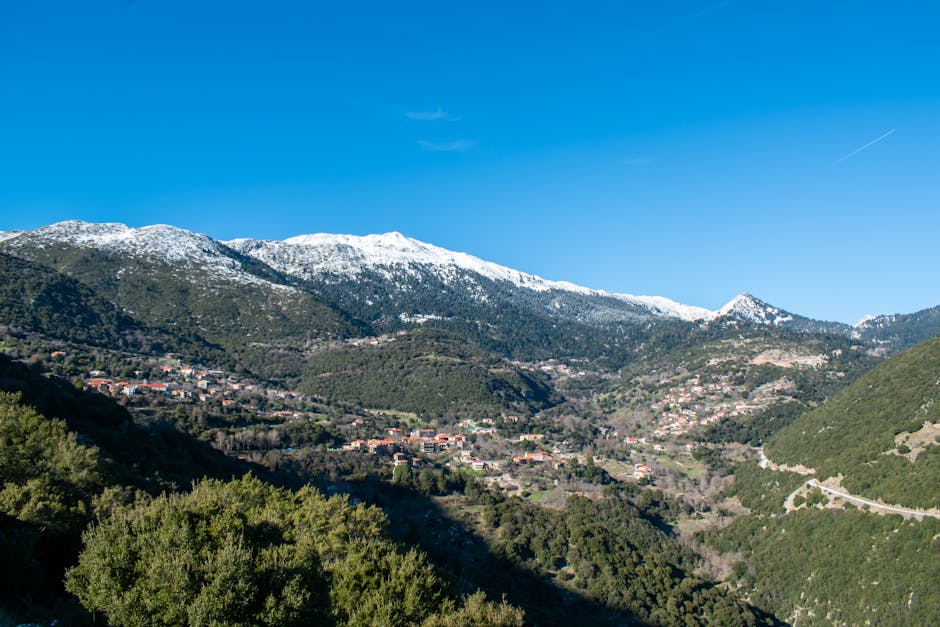
Practical tips: visit early in the morning to enjoy the sea’s morning mist and cooler temperatures. The road up to Perithia is narrow and winding; if you’re driving, opt for a small car. On foot, expect 1h30–2h from Nymfes via the trail; bring water and sturdy shoes. Don’t miss the homemade stifado (meat stew) and the local olive oil. Respect private properties — many houses are family-owned restorations and locals welcome visitors warmly.
2. Gastouri — Gardens, a Palace and English-Style Tea
Gastouri is best known for hosting the famous Mon Repos estate (Mon Repos Palace), the former residence of the British royal family during the Ionian period. The village exudes a rural charm amid olive groves and immaculately kept gardens. Strolling around the grounds reveals shaded paths, neoclassical statues and views over Garitsa Bay. Gastouri is ideal for a cultural outing combined with a relaxed lunch at a kafeneio (local café).
Places & addresses: Mon Repos Palace, Palaiokastritsa Road, Gastouri 491 00, Corfu — Main entrance: Mon Repos Archaeological Site & Museum, Kerkyras Avenue 10 (secondary address for offices). Opening hours: Mon Repos Gardens open daily from 09:00–19:00 (summer season); the archaeological museum may require appointments — check ahead. Prices: garden entry €6.00 (adults), student reduced €3.00; private guided tours around €50–80 depending on length.
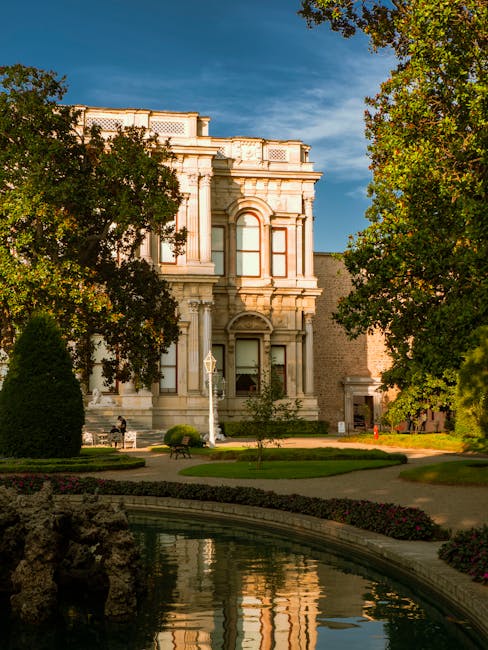
Highlights and immersive description: wander the floral avenues at sunset, watch local families stroll and morning joggers pass by; breathe in the scent of jasmine and orange trees. The palace set within wooded grounds is a tangible reminder of British influence on Corfu. Taverna suggestion: Taverna Gastouri (Plateia Gastouri, Gastouri 491 00) serves traditional dishes; expect a full meal to cost €12–25 per person.
Practical tips: pair this visit with a trip into Corfu Town (10–15 minutes by car). Parking at Mon Repos is paid in high season (around €2.00–4.00 per day). For photographers, morning and twilight light flatter the façade and gardens. If using public transport, take the local bus from Corfu Town to Gastouri (schedules vary).
3. Agios Matheos — Olive Groves, Chapels and Country Cooking
Agios Matheos is a small rural hamlet at the heart of traditional Corfu, surrounded by hills dotted with centuries-old olive trees. The village is a living example of Corfiot rural architecture: stone houses, red tile roofs, narrow lanes and small squares where elders gather to exchange news. The chapel of Agios Matheos dominates the village and on its patron saint’s day the square comes alive with dancing and traditional singing.
Address & monuments: Church of Agios Matheos, Plateia Agiou Matheou, Agios Matheos 490 83, Corfu. Local market (weekly produce market): central square, Saturday morning 08:00–12:30. Prices & services: free parking near the church; local olive oil (500 ml bottle) €5–12; homemade katiki cheese €4–7 per 300 g. Taverns usually open from about 11:30–22:00.
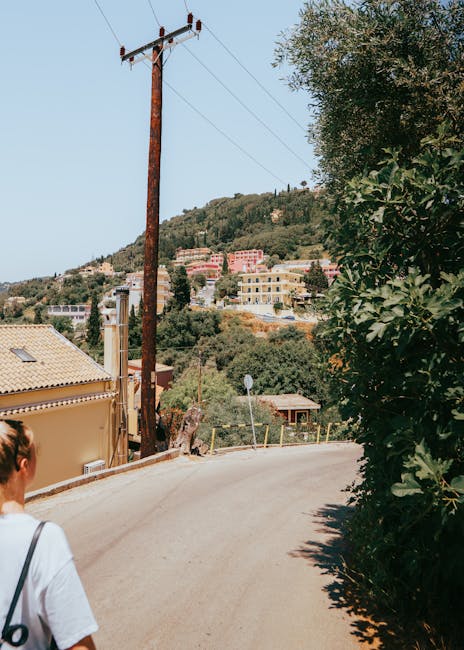
Immersive description: the scent of cut grass and freshly harvested olives fills the air in autumn. Locals take pride in their produce: olive oil workshops sometimes offer tastings (small fee €3–5). To feel the local rhythm, drop into the village kafeneio (Kafenio Agios Matheos, Plateia Agiou Matheou) for a Greek coffee (€2.50) and watch daily life unfold.
Practical tips: the best time to visit is in autumn during the olive harvest or in spring for blooming trails. Hiking routes start from the village to neighboring hills — carry water and sun protection. Respect siesta hours (14:00–17:00) as some shops close. If you buy local products, ask about provenance and chat with producers — they appreciate interest in their methods.
4. Lakones — Panoramic Views over Paleokastritsa
Perched above Paleokastritsa, Lakones offers some of the island’s most dramatic views: sheer cliffs plunging into emerald coves. The village’s lanes retain a discreet charm, with terrace cafés, family-run guesthouses and small Byzantine chapels. It’s a photographer’s haven and a great spot to combine hiking with breathtaking vistas.
Places & addresses: Church of Theotokos, Main Street, Lakones 490 83, Corfu. Belvedere viewpoint (Panorama of Paleokastritsa): Belvedere Lakones, coordinates accessible from Lakones Road. Notable restaurants: Taverna Anemomilos, Plateia Lakones — meals €10–20 per person. Hours: chapel open 09:00–18:00; tavernas 12:00–22:30; belvedere open all day.
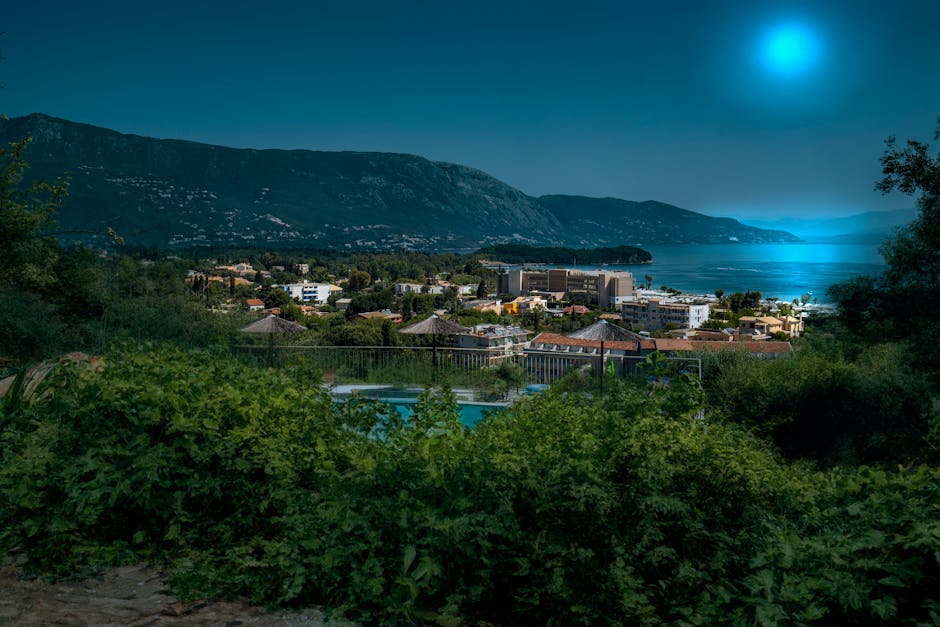
Immersive description: from a village terrace you can pick out islets, hidden beaches and Corfu’s rugged mountain silhouette. Hiking trails lead down to the bay and Agios Georgios beach — expect 40–60 minutes depending on pace. Lakones is especially magnetic at sunset, when the sea turns golden and tavernas come alive.
Practical tips: arrive early to find parking in high season; spaces are limited. Wear grippy shoes if you head down limestone trails. If you’re into diving or snorkeling in Paleokastritsa, check with dive centers below (sessions typically €20–50). Also try the local specialty gouna (dried, grilled fish) if a taverna offers it — a truly Corfiot taste.
5. Kynopiastes — Artisan Workshops and Rural Heritage
Kynopiastes is a traditional village southwest of Corfu Town, known for its artisan workshops and cultural heritage. You’ll find potters, painters and sculptors who sometimes open their studios to visitors. The village maintains a peaceful pace of life and craft skills passed down through generations.
Address & workshops: Kynopiastes Village Center, Main Square, Kynopiastes 490 81, Corfu. Recommended studios: Pottery Workshop Kynopiastes (Main Street, studio open 10:00–16:00, reservations possible) — pottery class €20–40 depending on length. Small chapel: Agios Nikolaos, Plateia Agiou Nikolaou, open 09:00–17:00. Cafés and tavernas: Kafenio Kynopiastes, home-cooked dishes €8–15.
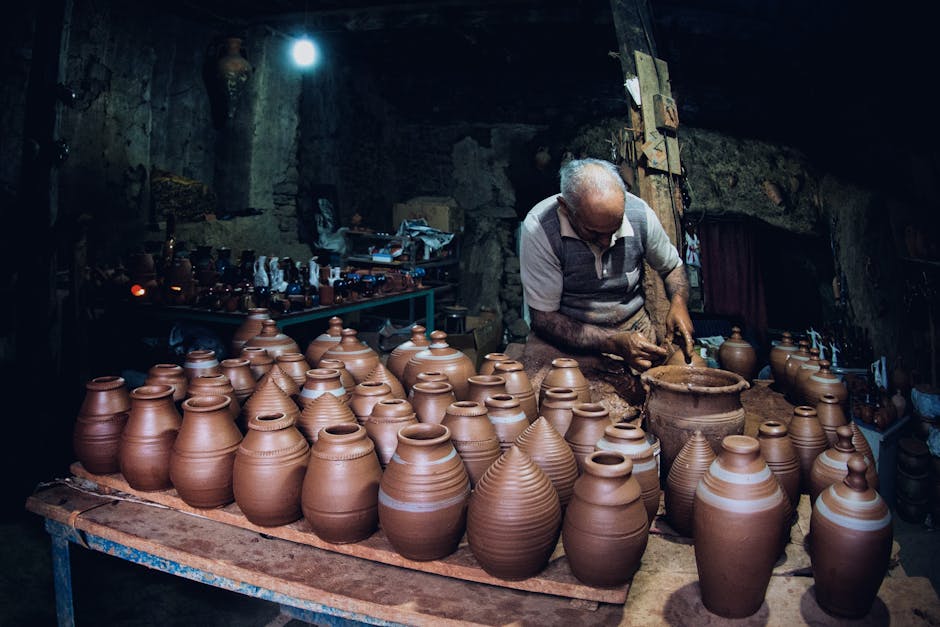
Immersive description: wandering among the studios you’ll smell clay, hear the wheel spinning, see pieces drying and chat with master potters. Visitors can join short classes (1–2 hours) to make a unique souvenir. The village is surrounded by small fields and olive trees; in autumn workshops may also offer olive oil tastings and local produce samplings.
Practical tips: book workshops in advance, especially in high season. If you buy ceramics, ask whether the studio can ship your piece (additional postage fees). Roads are drivable but the local bus also serves the village a few times a day from Corfu Town. Avoid visiting during the afternoon siesta if you want studios open (they may close from about 14:30–17:00).
6. Pelekas — Sunsets and a Cosmopolitan Vibe
Pelekas gained popularity for its spectacular sunsets from the Kaiser’s Throne viewpoint (Selvaggio “Kaiser”), but it also retains the soul of a Corfiot village with peaceful lanes, cafés and small guesthouses. The hilltop view over the Ionian Sea and nearby beaches is a must for photography lovers.
Address & points of interest: Pelekas Village Center, Main Square, Pelekas 490 83, Corfu. Kaiser’s Throne viewpoint: Kaiser’s Throne, Pelekas Hill Trailhead, coordinates accessible from Pelekas Main Road. Hours: viewpoint open 24/7; cafés 08:00–23:00; restaurants 12:00–23:30. Prices: drinks on a sunset terrace €4–7; meals €12–25.
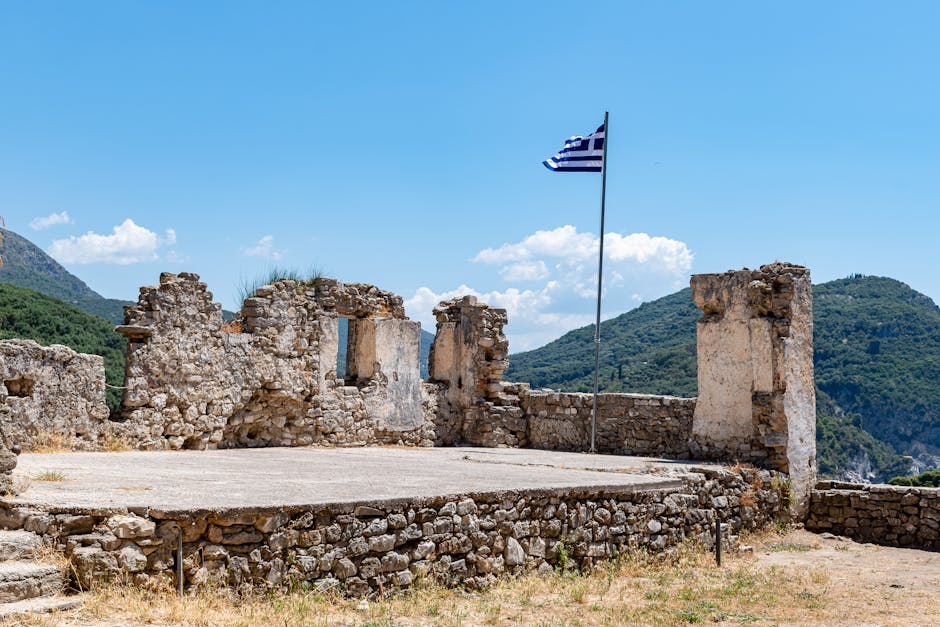
Immersive description: climb to the Kaiser’s Throne for the golden hour — the shifting colors over the sea and nearby isles create a moving canvas. The village fills up in the evening as families and travelers sit down for slow meals. Pelekas is also a good starting point for hikes to less-visited coves.
Practical tips: arrive at the viewpoint 30–45 minutes before sunset to secure a spot and enjoy the changing light. Parking fills up in high season; consider carpooling or taking the local bus. Many restaurants take reservations for the evening — in summer, book if you want a table with a view.
7. Kassiopi — a Fishing Village on the Northeast Coast
Kassiopi is a harbor village on Corfu’s northeast tip, known for its small fishing port, Byzantine ruins and a lively yet village-like atmosphere. It’s a great base for boat trips to nearby coves and islands. Colorful houses, waterfront tavernas and cafés give Kassiopi a friendly, welcoming vibe.
Places & addresses: Kassiopi Harbor, Marina Kassiopi, Kassiopi 491 00, Corfu. Byzantine castle ruins: Kassiopi Fortress Ruins, accessible from the harbor. Hours & prices: the harbor is open year-round; ruins accessible 09:00–19:00 (season) with entry around €2.00–4.00. Boat trips to Paxos/Antipaxos: daily departures 10:00–17:00, €25–50 depending on duration and route.
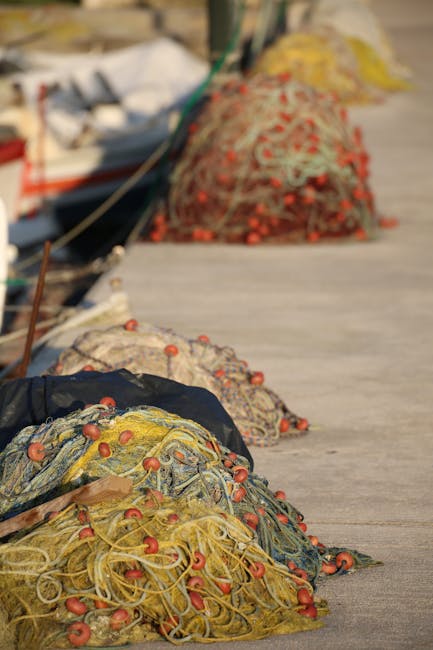
Immersive description: in the morning fishermen return with their catch, local vendors set up markets and terraces prepare for lunch. Evenings are lively without being noisy; enjoy grilled fish, fresh calamari and seasonal dishes. Diving and snorkeling enthusiasts can reach spots from small boats.
Practical tips: if you’re taking a boat to Paxos, arrive 30 minutes before departure; bring sunscreen and water. For meals try the local boureki (vegetable and cheese gratin) and the fish of the day (fish typically €10–18). Some petrol stations and small shops close between 14:30 and 17:00.
8. Afionas — Hidden Coves and Coastal Trails
Afionas is a quietly charming spot on Corfu’s west coast, famed for its hidden beaches and rugged trails that lead to breathtaking viewpoints. The village is small but perfectly placed for exploring coves like Porto Timoni, one of the island’s most beautiful beaches, accessible via a moderate hike.
Address & trails: Afionas Village Center, Afionas 490 84, Corfu. Trail to Porto Timoni: Porto Timoni Trailhead, marked path from Afionas main road. Hours: trails are open all day; no entry fees. Restaurants: Taverna To Perivoli, Main Square, open 09:00–22:00, dishes €8–18.
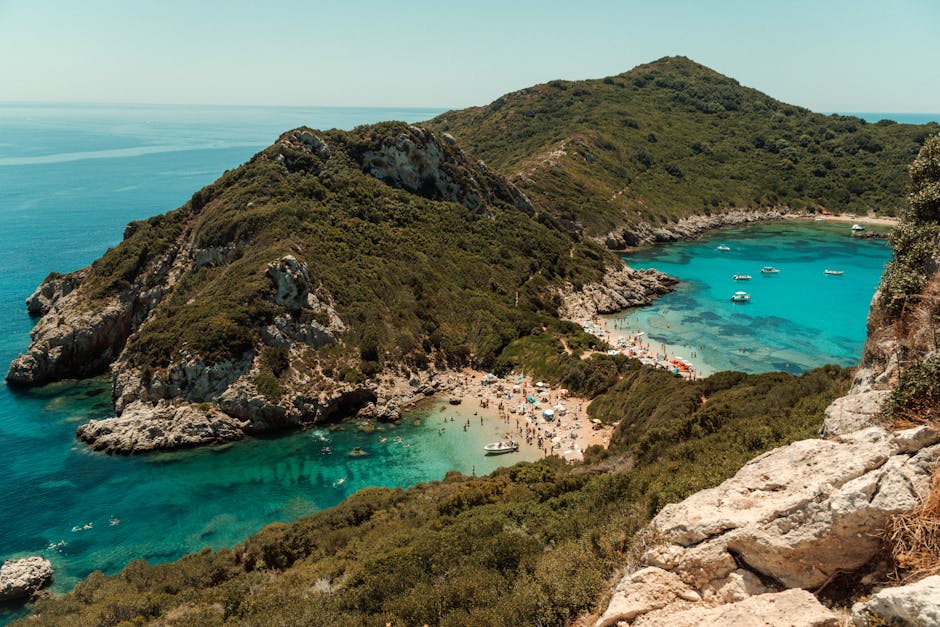
Immersive description: the trail to Porto Timoni winds past dry-stone walls, olive trees and spring meadows. The reward is two symmetrical beaches separated by a narrow headland. The water is astonishingly blue and refreshingly cool. Afionas also offers perfect sunset picnic spots with sweeping views.
Practical tips: wear sturdy footwear and bring water — the descent can be slippery. The return climb is sometimes tougher; allow 1h15–1h45 round trip depending on pace. There aren’t always kiosks on the beach, so bring snacks. If you plan to fly a drone, check local rules and respect swimmers’ peace.
9. Ano Korakiana — Agricultural Calm and Traditions
Ano Korakiana is an inland farming village known for orchards, fields and a traditional atmosphere. It’s a great place to meet local farmers, join tastings and observe Corfu’s agricultural seasons. The winding lanes lead to shady squares where neighbors still exchange friendly conversation.
Points of interest & address: Ano Korakiana Village Square, Ano Korakiana 491 00, Corfu. Main church: Panagia Korakiana Church, Plateia Panagias, open 08:30–17:30. Farmers’ market: Sunday morning 08:00–13:00, local products (oil, vegetables, honey). Prices: local honey €6–12 per 300 g jar; vegetable baskets €3–7 depending on season.
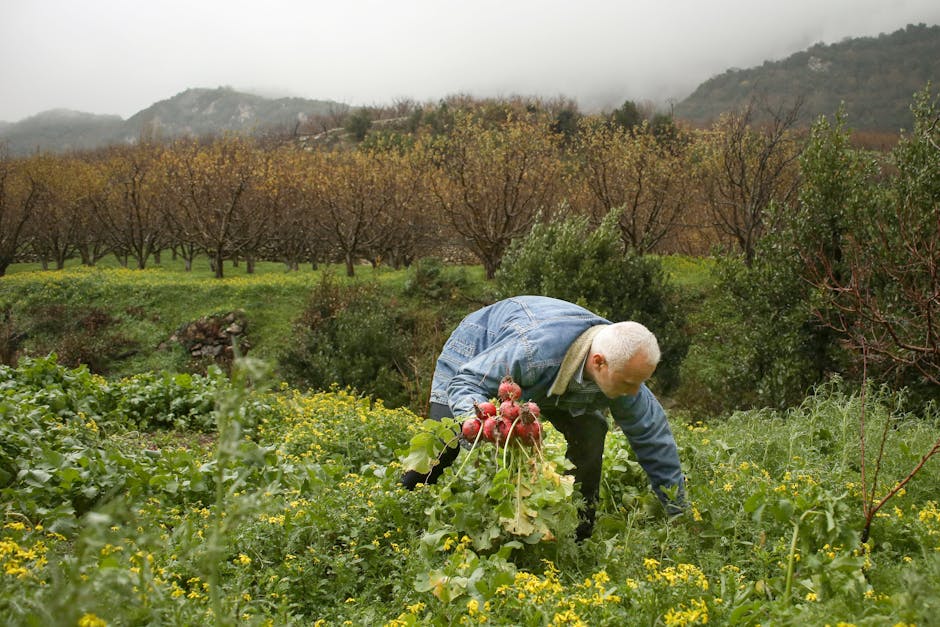
Immersive description: strolling through the square you’ll smell fresh bread, notice cooler air than on the coast and feel the warm welcome. Producers sell local cheese, eggs, honey and preserves. Visitors can sometimes join fruit picking during season (prior arrangement required).
Practical tips: visit the farmers’ market on Sunday for the freshest produce. If you want to take part in agricultural activities (harvesting, olive pressing), contact farms ahead; participation costs vary (€10–30 depending on activity). Bring cash for purchases at small producers — some don’t accept cards.
10. Nisaki — Cove, Church and Family-Run Stays
Nisaki, literally “small island” in Greek, is a charming coastal hamlet on Corfu’s northeast shore. It combines small coves, a picturesque jetty, a white church and family-run accommodation. Nisaki is perfect for a peaceful seaside base, with options for diving, kayaking and waterfront dining.
Addresses & amenities: Nisaki Bay Pier, Nisaki 490 83, Corfu. Church of Agios Georgios Nisaki, Main Road, open 09:00–18:00. Pet shops and tavernas: Taverna Nisaki Seafood, Waterfront, open 11:00–23:00, fish of the day €12–20. Family-run accommodation: studios and apartments from €40–80/night off-season.
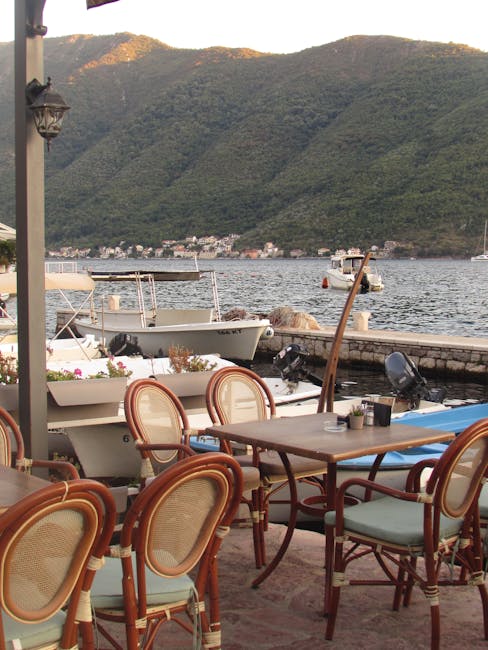
Immersive description: mornings see the jetty filled with fishing boats and kayaks. Taverns serve mezzes and seafood dishes that highlight the sea’s flavors. Beaches are often shallow and family-friendly. Hosts are welcoming and happy to advise on boat trips and diving spots.
Practical tips: if you want to kayak, rent from the small kiosk by the beach (€10–20/hour). For diving, check local centers (try a discovery dive €40–70). Book your evening table in high season; the coastal road can be slow when busy. Carry cash for small purchases and tips for local boatmen and fishermen.
Conclusion: Routes and Recommendations to Make the Most of Corfu’s Hamlets
Exploring these ten hidden hamlets of Corfu opens up another reading of the island, far from crowded beaches and standard tour routes. Each village shows a distinct personality: Perithia for its history, Gastouri for its park and British legacy, Lakones for Paleokastritsa views, Kynopiastes for craftsmanship, Pelekas for sunsets, Kassiopi for its lively harbor, Afionas for secret coves, Ano Korakiana for agricultural life, and Nisaki for peaceful seaside living. Together, these hamlets form a mosaic of cultural, gastronomic, sporting and contemplative experiences that enrich any Corfu discovery.
To plan your route, here are some practical tips: rent a small car to access narrow roads, but mix driving with bus rides or walking to fully enjoy pedestrian lanes. Schedule visits early morning or late afternoon to avoid heat and capture ideal photographic light; many establishments close for siesta so check opening times (often 14:00–17:00). Always bring water, sturdy shoes for trails and sun protection. Respect places of worship — cover shoulders or wear modest clothing if required and photograph discreetly.
On budget, rural Corfu can be surprisingly affordable if you buy directly from producers: olive oil (€5–12 per bottle), local cheeses (€4–8), and village tavern meals (€8–20) offer excellent value. For activities (pottery workshops €20–40, boat trips €25–50, dives €40–70), book ahead in high season. Don’t forget cash for small artisan and market purchases.
Finally, leave room for the unexpected. The best memories often come from an unexpected chat with a local, an invitation to a village celebration or discovering a path that leads to a secluded cove. Corfu’s hamlets invite you to slow down, listen and learn: they promise a richer, more intimate and timeless travel experience. Safe travels — and above all, enjoy connecting with the island’s welcoming people.