



Introduction: Market mornings — meeting the producers of Corfu
Waking up in Corfu often means being greeted by a bright light that kisses Venetian facades, the scent of pines and the salty tang of the Ionian Sea. But if you want to dive into local life, nothing beats a morning spent at the market. Corfu’s morning markets are more than just places to shop: they’re sensory stages where voices, colors, textures and stories mingle. You’ll meet multi-generational producers, sample local specialties, haggle with a smile and leave with goods that tell the island’s story — olive oil, honey, cheeses, seafood, pistachios and wild herbs gathered from the hills.
This guide takes you through those warm, human mornings, pointing out Corfu’s iconic market spots where local producers lay out their baskets, along with small artisan delis and fishmongers who keep tradition alive. You’ll find full addresses, exact opening hours, indicative price ranges, immersive descriptions and practical tips to make the most of your encounters — how to greet people, when to arrive, what to buy by season, and how to store or prepare what you bring home. Each market has its own personality: some are in the heart of Corfu (Kerkyra) and come alive at dawn; others are in inland villages where you’re more likely to hear bleating than city clock ticks.
Throughout the article you’ll meet producers like the shepherd selling fresh mizithra, the olive grower offering the season’s extra-virgin oil, the fisherwoman laying out still-glossy sea bream on her table, or the wild-herb forager gathering thyme on the ridges above Paleokastritsa. These portraits come with practical details — exact addresses, average prices in euros and opening hours — so you can plan your mornings without surprises. We’ve also thought of the photographer’s experience: where to stand for a lively market shot, which stall to favor at sunrise and which products photograph best.
Whether you’re a foodie traveler, a photographer hunting authenticity, or just curious to meet the island’s artisans, these morning strolls are prime opportunities to connect with Corfu. Follow this guide to turn a routine market run into a true immersion: exchange a few words in Greek, taste before you buy, support small producers and let Corfiot generosity surprise you. Pack your basket — and start your market morning!
Municipal Market of the Old Town (Central Market / Markato) — historic heart of Kerkyra
Corfu’s municipal market, often called « Markato » or the « Central Market of Corfu, » sits in the centre of the old town, in the district linking the Spianada to the Liston. Exact address: Municipal Market (Markato), Plateia Theotokopoulou 3, Corfu Town (Kerkyra) 491 00. The market spreads across covered alleys and open-air stalls, and it’s easy to spend an hour or more chatting with vendors and tasting products.
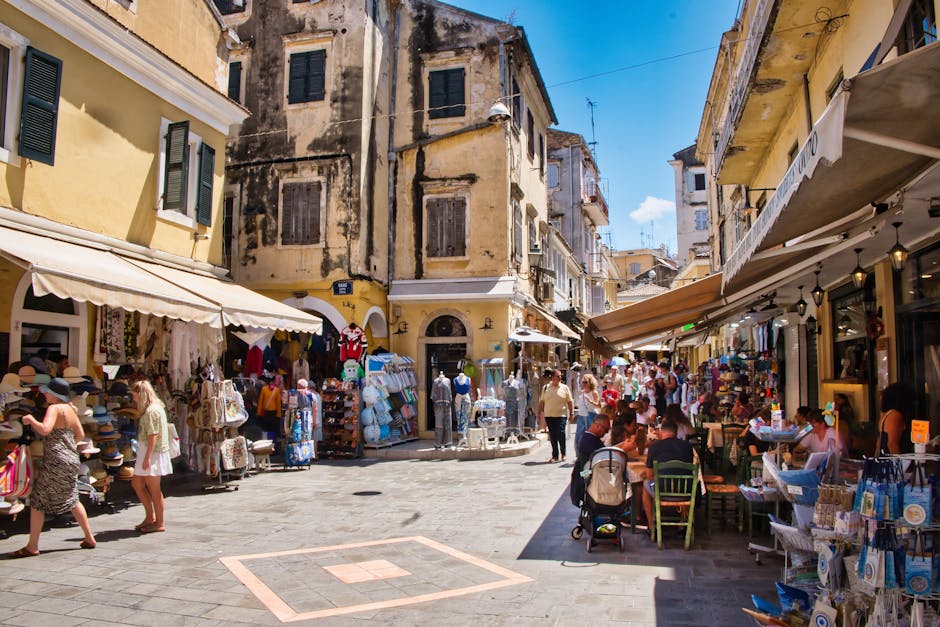
Opening hours: most stalls open very early — between 06:30 and 07:30 — and the market stays busy until about 13:30–14:30. Fishmongers and some greengrocers often close first, around 13:00. A few artisan stalls and butchers may reopen briefly late afternoon, but mornings are undeniably the best time for the widest selection.
Indicative prices in euros: artisanal olives 6–10 €/kg depending on variety (kalamon, throubi), extra-virgin olive oil 8–18 €/litre depending on yield and quality, feta or fresh mizithra 7–12 €/kg, seasonal vegetables 1–4 €/kg (tomatoes, cucumbers, eggplants), fresh fish (sea bream, bass) 8–18 €/kg depending on size and season. Prices vary by producer and quantity. Don’t hesitate to buy a small sample to taste: most producers are delighted to offer a bite.
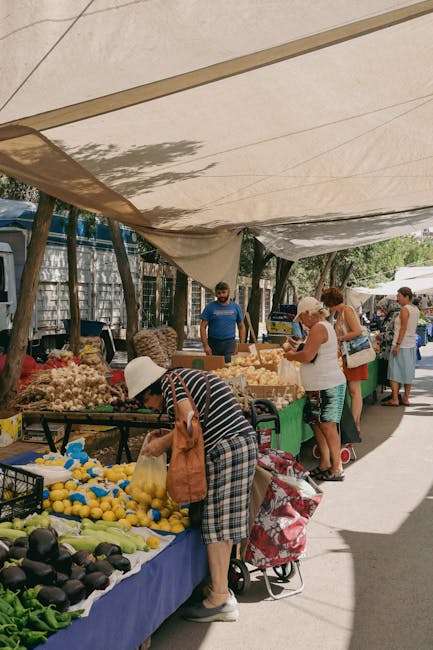
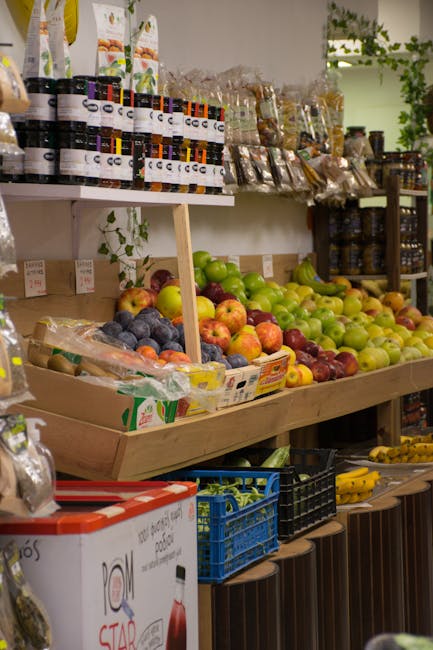
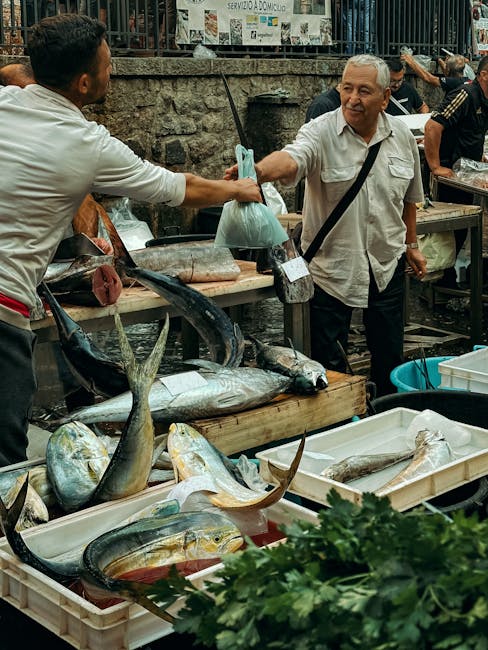
Immersive description: strolling through the Markato you’ll hear a mix of languages — Greek, English, a bit of Italian — and smell basil, oregano and filter coffee brewing at the stalls. Fish displays glint under the light, surrounded by crushed ice and fresh herbs. Corfiot mothers chat with greengrocers about the best eggplants for moussaka, while curious tourists stop at an olive oil stand where you’re invited to taste the difference between an early harvest and a later one.
Local practical tips: arrive between 07:00 and 09:00 for peak freshness and the widest choice. Bring a small cooler if you plan to buy fish or cheese and plan to head back to your accommodation quickly to keep things fresh. Use a few Greek words to break the ice — “kalimera” (good morning), “parakalo” (please/thank you). Carry reusable bags and prefer cash to avoid issues with small vendors who don’t always accept cards. Finally, ask about the origin of products — many producers will tell you the village or olive grove where the oil was pressed.
Village markets and producers: Paleokastritsa, Agios Matheos and Gastouri
Beyond the Markato, many villages host morning markets or weekly gatherings where producers sell directly. Three spots to know for authentic encounters: Paleokastritsa’s Sunday market; the small Agios Matheos market on Thursdays; and occasional artisan stalls near the Achilleion Palace in Gastouri. Below you’ll find practical info and producer portraits.
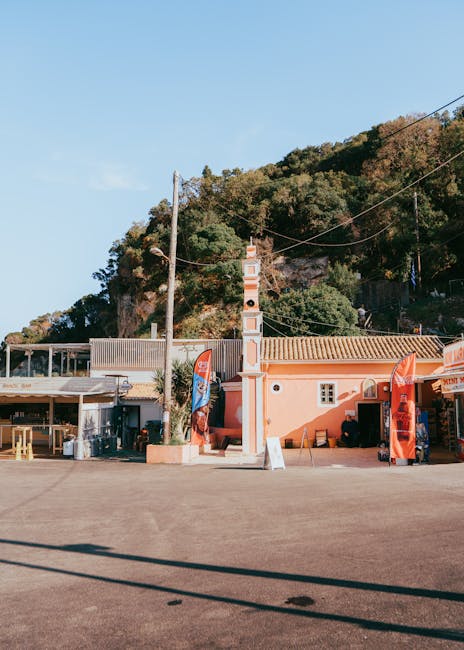
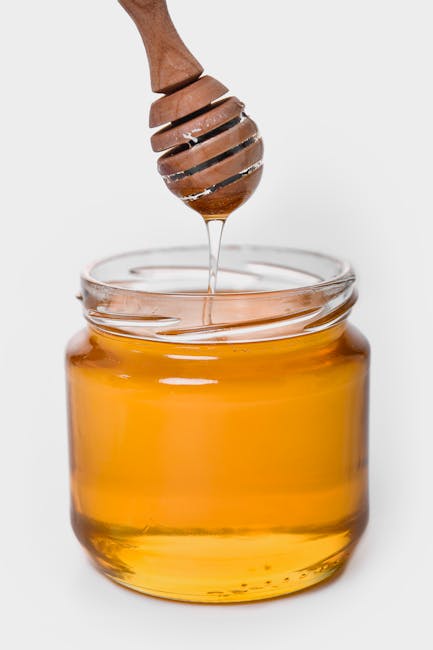
Paleokastritsa (reference address): Central Square, Paleokastritsa 490 83. Hours: Sunday market roughly 08:00 to 13:00. You’ll find honey producers (local thyme honey), marinated olives and goat and sheep cheeses. Indicative prices: local honey 7–12 €/500 g depending on monofloral source, aged goat cheese 9–16 €/kg. Description: the Paleokastritsa market often comes with the sound of nearby waves and a cooling sea breeze over the stalls. Many producers are family-run, happy to pose for a photo and tell you about the harvest season. Tip: taste the thyme honey and ask which flowers provided the nectar — micro-variations change the flavor a lot.
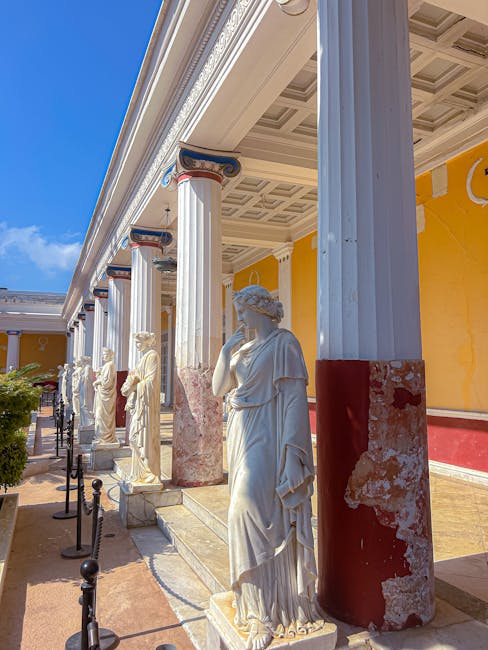
Gastouri — Achilleion (address): Plateia Achilleion, Gastouri, 491 00 Corfu. Hours: artisan stalls and producers are usually active from 09:00 to 15:00 on busy days (especially high season). Near the Achilleion Palace (Achilleion Palace, 1-3 Karaiskaki Street, Gastouri 491 00), producers offer homemade jams, local pastas and dried herbs. Prices: artisanal jams 3–6 €/jar, handmade pasta 2–5 €/250 g. Practical tip: combine a market visit with a walk around the palace — stalls often hand out free samples.
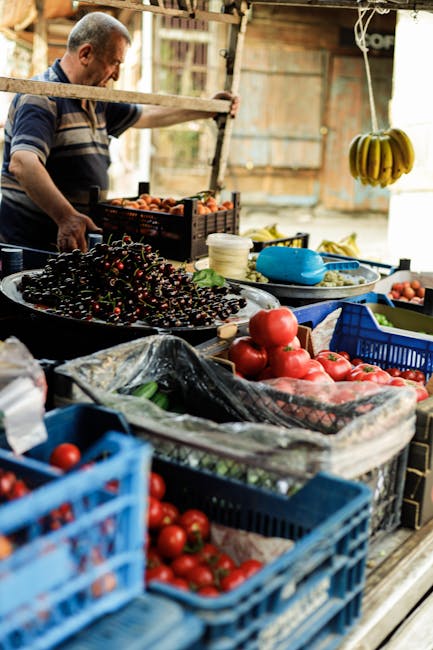
Agios Matheos (address): Village Square, Agios Matheos, Corfu. Hours: small weekly market Thursday morning between 07:30 and 12:00. This market is more intimate; you’ll mostly find ultra-fresh vegetables, farm eggs (2–4 €/box of 6 depending on size) and wild herbs. Immersive description: conversations here revolve around the weather and whether winter rains helped the season’s shoots. A local producer might offer a spoonful of taramasalata or a fish stew sample with a piece of bread.
General tips for village markets: respect the local rhythm — harvests, milking and other seasonal tasks often dictate stall times. If you buy in quantity, ask for a small discount; many producers will shave a bit off the price for larger purchases. Bring a notebook to jot down a producer’s name and date: some items are seasonal and you may want to track down the same source next year. Finally, for fragile products (fresh cheeses, fish) bring a cooler and beeswax paper or cloth to wrap items naturally.
Fish stalls, traditional bakeries and spice stands: where to go by the hour
Corfu’s morning markets move like a choreographed dance: bakeries have usually already pulled their breads and pastries, fishmongers set up ice and nets further in, and spice and herb stalls on the outskirts catch your eye with colorful displays. To organize your morning, here’s a time-based route and recommended addresses.
Recommended itinerary for a productive morning:
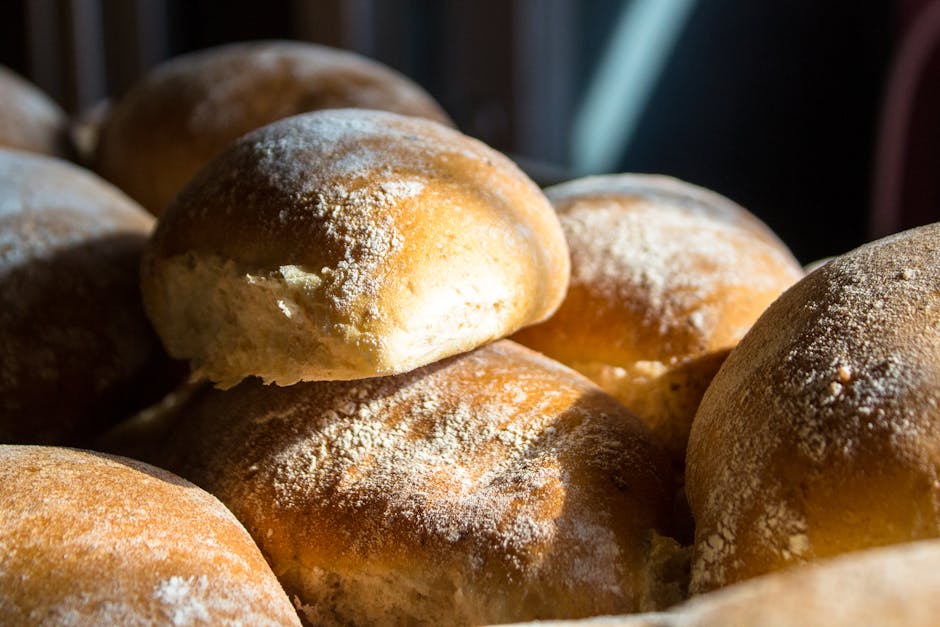
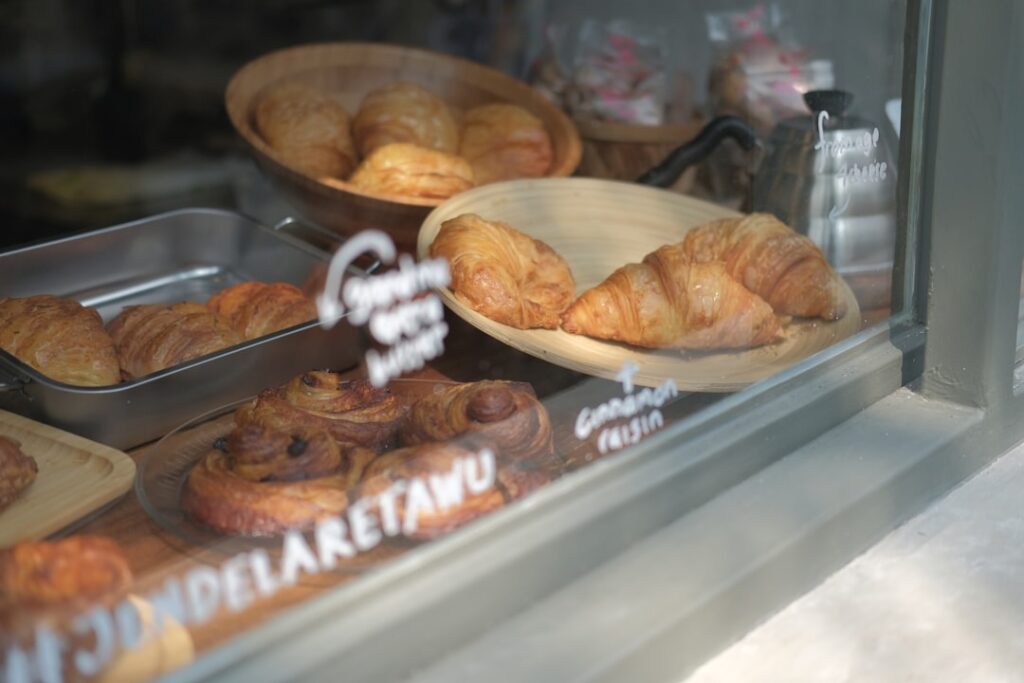
- 07:00 — Artisan bakery: Bakery « Bakery Kipseli », 12 Sokratous Street, Corfu Town 491 00. Hours: 06:30–13:00. To buy: tsoureki (Corfiot sweet brioche) 2–4 €, spanakopita (spinach pie) 1.50–2.50 € per slice. Tip: arrive early for the morning pastries — they sell out fast.
- 07:30 — Central fish stall: Fish Market « Psarotaverna St. Spyridon » stall, Fish Market Lane, Corfu Town. Hours: 06:30–13:00. Products: fresh sea bream and bass 8–18 €/kg, calamari 10–15 €/kg. Tip: ask how the fish was caught (net, line, trawl) and how best to cook it on the spot.
- 08:00 — Spice and herbs deli: « Korfiotiko Spice & Herbs », 5 Agiou Markou Street, Corfu Town. Hours: 08:00–17:00 (closed late evening). Products: herb blends for the soup « matsitsa » or roasted lamb, 1–4 €/packet. Tip: buy a small sachet to infuse olive oil back home.
Immersive description: the bakery smells of warm crumb; the fish stall gleams, wet and lively, with fishers wiping their hands and trading news about the shoals; the spice stall is a patchwork of aromas — cumin, coriander, wild thyme. Vendors love to explain local recipes; don’t hesitate to ask for a cooking tip or a quick way to combine ingredients.
Additional practical tips: bring insulated bags to keep perishables cold if you buy fragile items. Carry a small 5 or 10 euro note in cash — it’s often handier for small transactions. If you plan a picnic, ask the producer to slice cheeses or pack fish for grilling. Finally, observe etiquette: avoid touching products directly if the vendor wears gloves, and ask before photographing a stall or a producer.
Meetings and portraits: iconic producers and their stories
Every stall hides a story. Here are typical portraits you’ll meet during your mornings on the island — the shepherd, the olive grower, the fisherwoman and the wild-herb forager — along with addresses where they commonly sell and tips on how to start a conversation.
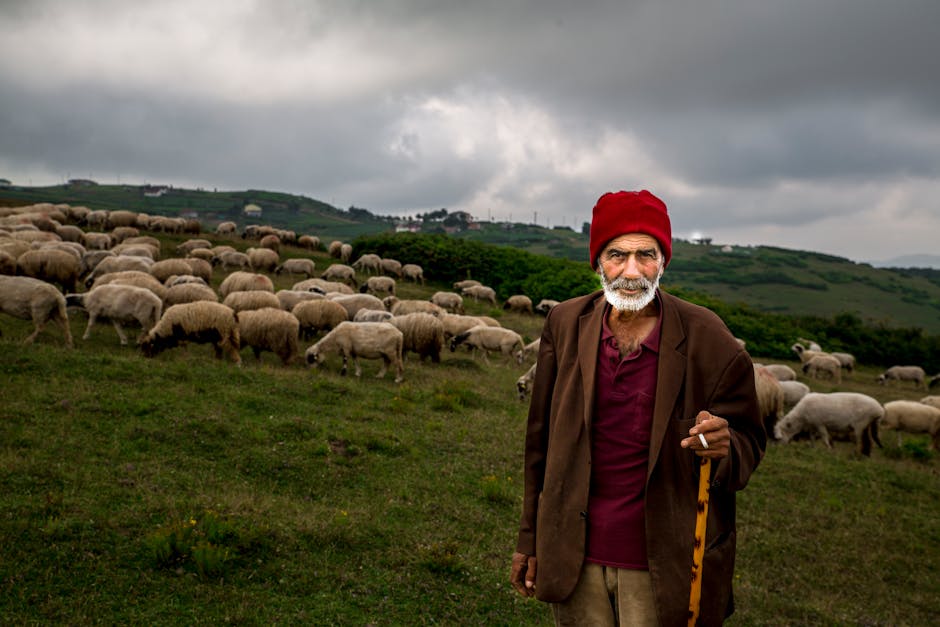
The shepherd: often present at village markets and sometimes at the Markato, a typical shepherd will come from the Agios Matthaios area or the Avlaki hills. Typical selling spot: Village Square, Agios Matheos. Products: fresh mizithra (sheep cheese), anthotyro, thyme-aged cheeses. Price: 7–16 €/kg depending on aging. Backstory: many shepherds make cheese by hand using methods passed down through generations. To start a conversation: ask “From which herd is this milk?” — or in Greek “Apo poio prowma einai to gala?” — and compliment the texture; they’ll often share pasture stories.
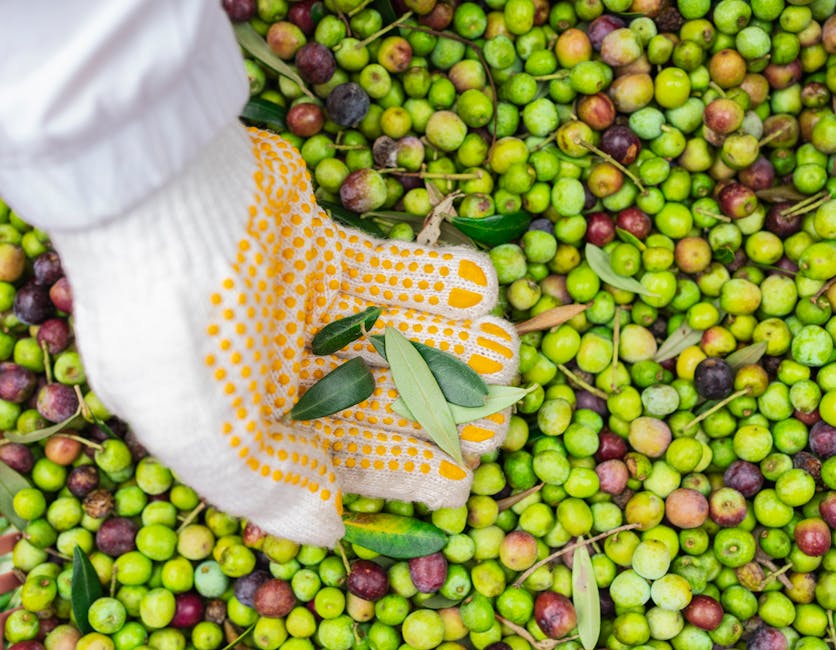
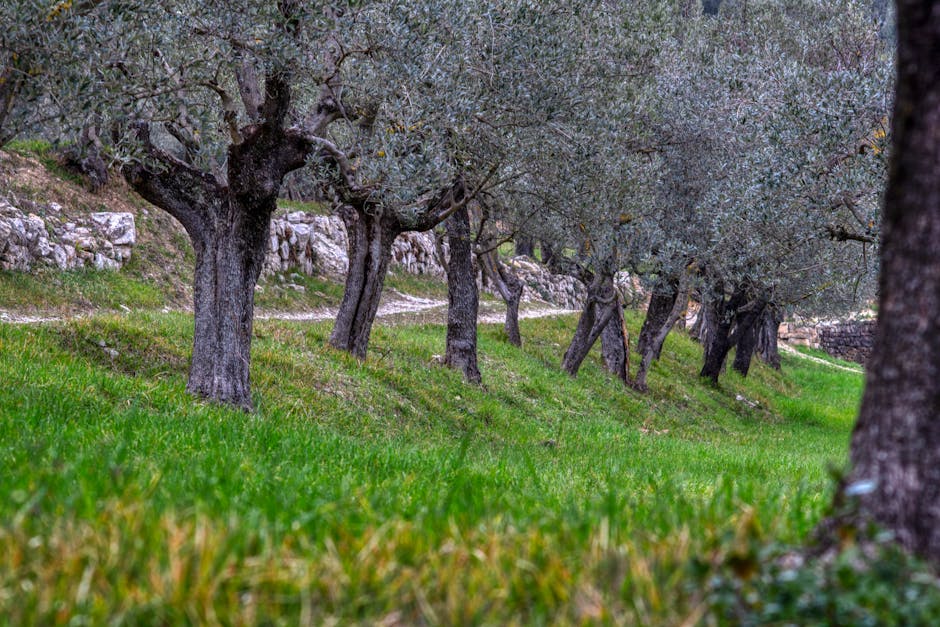
The olive grower: Corfu’s groves produce olive oil with herbaceous notes. Where to find the producer: Olive Mill Shop, 8 Komninis Street, Corfu Town (near the Markato). Hours: 09:00–17:00. Price: 8–20 €/litre depending on yield and flavor profile. Backstory: some small mills press limited batches and sell under a family label. Tip: ask to taste the oil on a piece of bread; a green, peppery and aromatic oil usually signals an early, high-quality harvest.

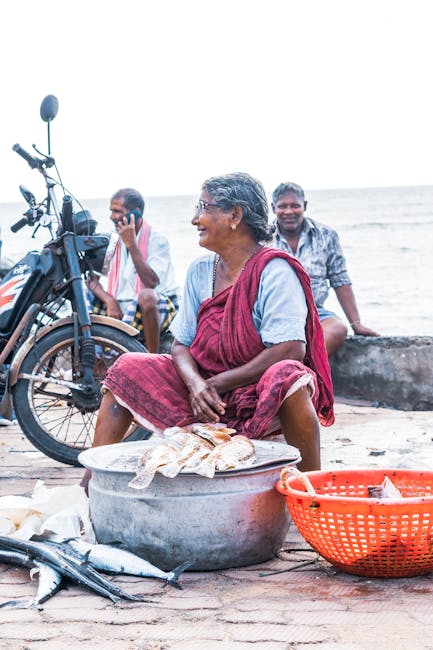
The fisherwoman: in Corfu, fishers sell their catch at Garitsa harbour or at fish stalls in the Markato. Common selling spot: Garitsa Bay Fish Stalls, Garitsa Bay, Corfu Town. Hours: 06:00–12:30. Products: small grilling fish, dried octopus and rockfish for soups. Backstory: artisanal fishing is alive and well; most fishers know the markets and the seasons intimately. Tip: ask for the local recipe to prepare fish « soutzoukakia » or simply grilled with olive oil and lemon.
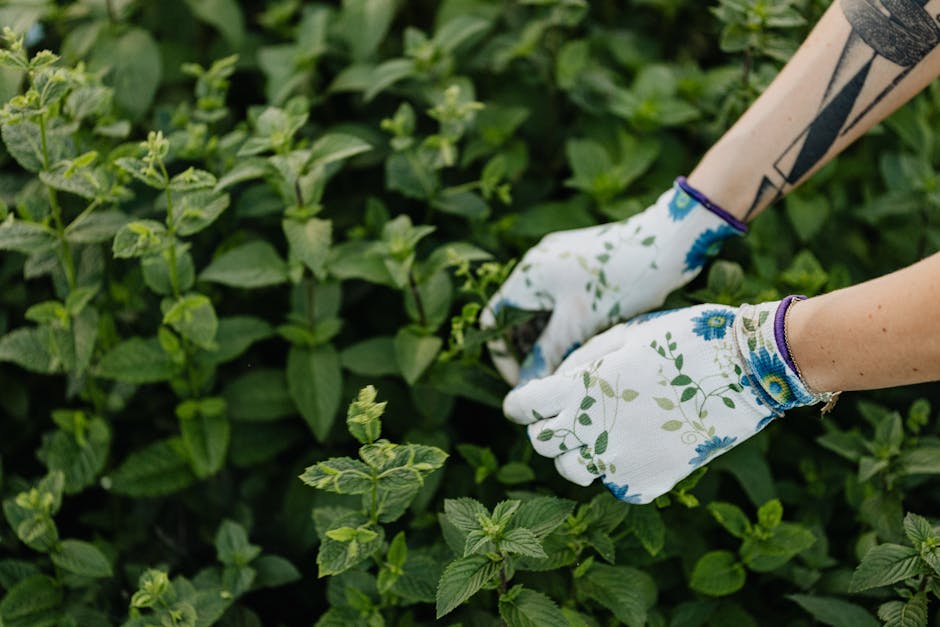
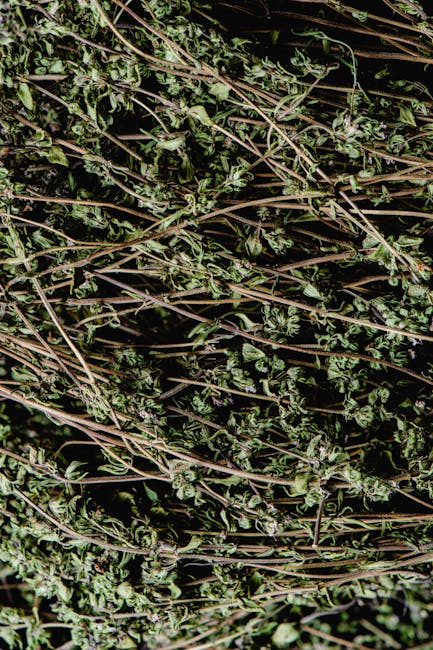
The wild-herb forager: often from families who know the Paleokastritsa hills, she sells thyme, oregano, mint-coriander mixes and dried leaves. Usual spot: stalls near Paleokastritsa Church, Paleokastritsa Square. Hours: 08:00–13:00. Price: 1–4 €/packet. Backstory: these women roam the hills early in spring to pick herbs at their peak. Tip: buy small amounts — fresh herbs lose potency in a few months, though well-packed they travel well.
Logistics and sustainable tips for enjoying morning markets
Visiting Corfu’s morning markets takes a bit of planning so the experience is enjoyable and respectful to producers. Here’s a comprehensive list of practical and sustainable tips to maximize your pleasure while supporting locals.
Before you go:
– Bring reusable bags and a small cooler if you buy perishables.
– Carry cash: many small producers accept cash only, especially for modest purchases (1–20 €).
– Prepare reusable containers if you plan to buy honey, oil or olives — some producers will happily fill your own jars.
On site:
– Arrive early for peak freshness (between 07:00 and 09:00).
– Taste before you buy — it’s the golden rule and most producers are happy to share samples.
– Ask about origin and production methods: many producers take pride in their craft and love to explain.
Responsibility and sustainability:
– Buy local and seasonal: it reduces carbon footprint and supports the local economy.
– Avoid waste: buy only what you can consume or store properly.
– Respect the cold chain: if you buy fish or cheese, transport them quickly in a cooler.
Communication and respect:
– A few Greek words — “Efcharistó” (thank you), “Parakaló” (please) — always go a long way.
– Ask permission before photographing someone; some producers prefer to keep faces private.
– Be ready to listen: a market morning is as much a cultural visit as a commercial transaction.
Conclusion: turning a market morning into a lasting memory
Corfu’s morning markets are much more than supply points: they’re bridges between the island’s history and its present vitality, places where the seasons read out in baskets and where every product speaks of a landscape, a practice and a family. By rising early to wander the stalls of Kerkyra’s Markato, the village markets of Paleokastritsa or the small stands around the Achilleion, you invest in an experience that feeds the senses and the soul. The addresses, hours and price ranges we provided will help you plan your mornings, but it’s attitude — curious, respectful, open — that will turn a simple visit into a real encounter.
Keep in mind these few principles when you meet producers: favor quality over quantity, support small producers who preserve local know-how, and share your impressions — a sincere compliment or a shared photo can mean a lot to a family living from their products. If you bring culinary treasures home, take the time to enjoy them: plate simple slices of bread with fresh olive oil, prepare grilled fish with herbs picked that morning, or gift a jar of honey to someone you love.
Finally, morning markets don’t end with the purchase: they leave lasting traces. A producer’s name scribbled on a scrap of paper, the address of a tiny olive grove, the recipe whispered by the fisherwoman — these memories stretch your stay and might bring you back to Corfu year after year. So next time you hear the clatter of stalls at dawn, let yourself be carried: step closer, taste, chat, and take home not only products, but stories. Kalí órexi and happy market hunting!